
Why ‘that care home conversation’ matters - and why isn't as scary as you think
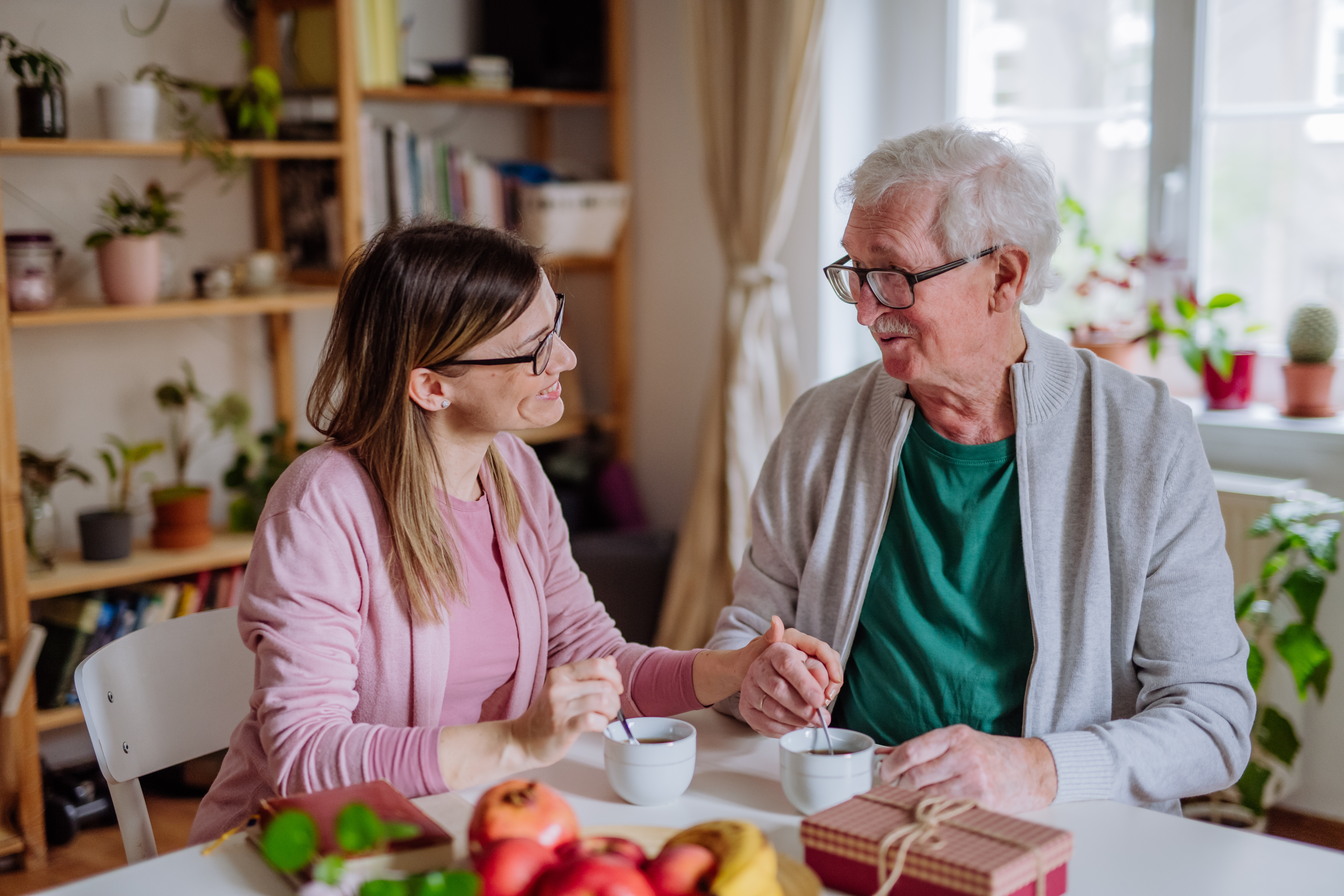
Do you want to talk to your parent or older relative about care, but haven't yet tackled this tricky subject?
In this post, we find out why so many families delay 'That Care Home Conversation'. You'll hear from care professionals about why planning ahead matters and how modern care homes are transforming the experience for residents and relatives. Finally, we recommend trusted sources of advice to help you approach this topic with confidence, compassion and clarity.
January is the time to act
According to research we commissioned in January 2026, 1 in 3 Brits noticed a marked change in their elderly loved ones over the recent Christmas break. When we spend extended time together, it makes small declines harder to ignore. The most prominent changes reported through this research were:
- confusion and memory problems (41%)
- changes in mood and behaviour (40%)
- increased frailty or mobility issues (39%)
Yet despite noticing these changes, a third of Brits still delay having ‘That Care Home Conversation’, with the consequence that we’re forced to have this potentially tricky chat in the event of a crisis. When that happens, decisions are rushed, stress is high and choice is limited.
Jemma Robinson, our Chief Operating Officer and a former registered care home manager, has seen this pattern countless times:
"As a care home manager, I stood in hospital corridors with distraught families making rushed decisions about care homes after their mum had a fall. They'd noticed her struggling. They knew something needed to change. But the thought of saying 'we need to talk about a care home' felt like betrayal.
"So they waited, hoping things would improve. Then Mum fell, ended up in hospital, and suddenly they're choosing a care home in 48 hours - often the first one with an available bed. The guilt they were trying to avoid? It's ten times worse when making rushed care home decisions while their loved one has no say."
This January, while elderly relatives are often top of mind, we encourage families to have ‘That Care Home Conversation’.
For peace of mind, plan ahead and have this important chat now, before a fall, hospital admission or sudden deterioration forces you to make rushed decisions.
Families delay out of guilt and outdated perceptions
Our research shows that people delay ‘That Care Home Conversation’ not because they don’t care but because they care too much. When asked why they waited, people cited feeling guilty raising the subject (27%) and not wanting to upset their loved one (49%), highlighting the emotional weight behind the hesitation.
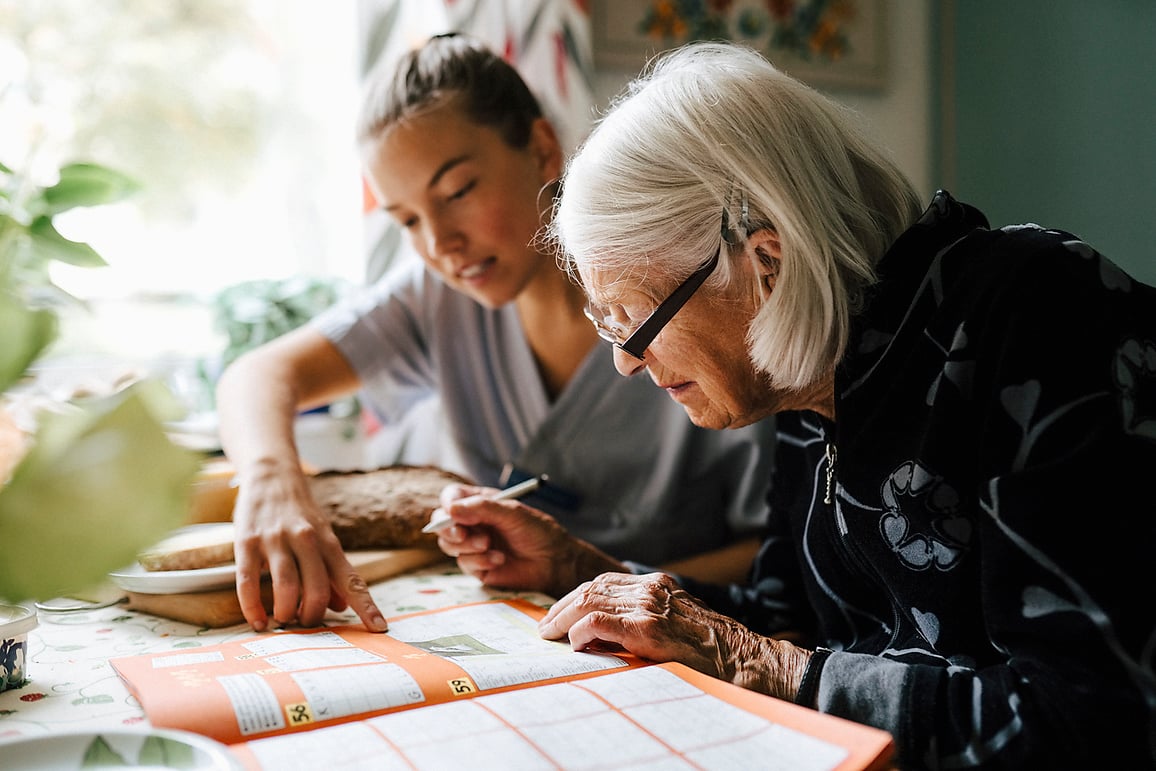
Those emotions are often compounded by how care homes are perceived. Our research found that four in ten people (41%) believe care homes have either hardly changed or have got worse over the past 10–15 years. The picture that families have of care homes is rooted in an outdated image of a typical care home: institutional, restrictive and associated with loss rather than support.
Yet nearly half of our respondents (56%) have not visited a care home in the past two years, with their understanding of care homes shaped far more by news coverage, social media, television and film than by first-hand experience (influences referenced by 64%).
When this is the frame of reference, it’s easy to see why the conversation feels so difficult to start.
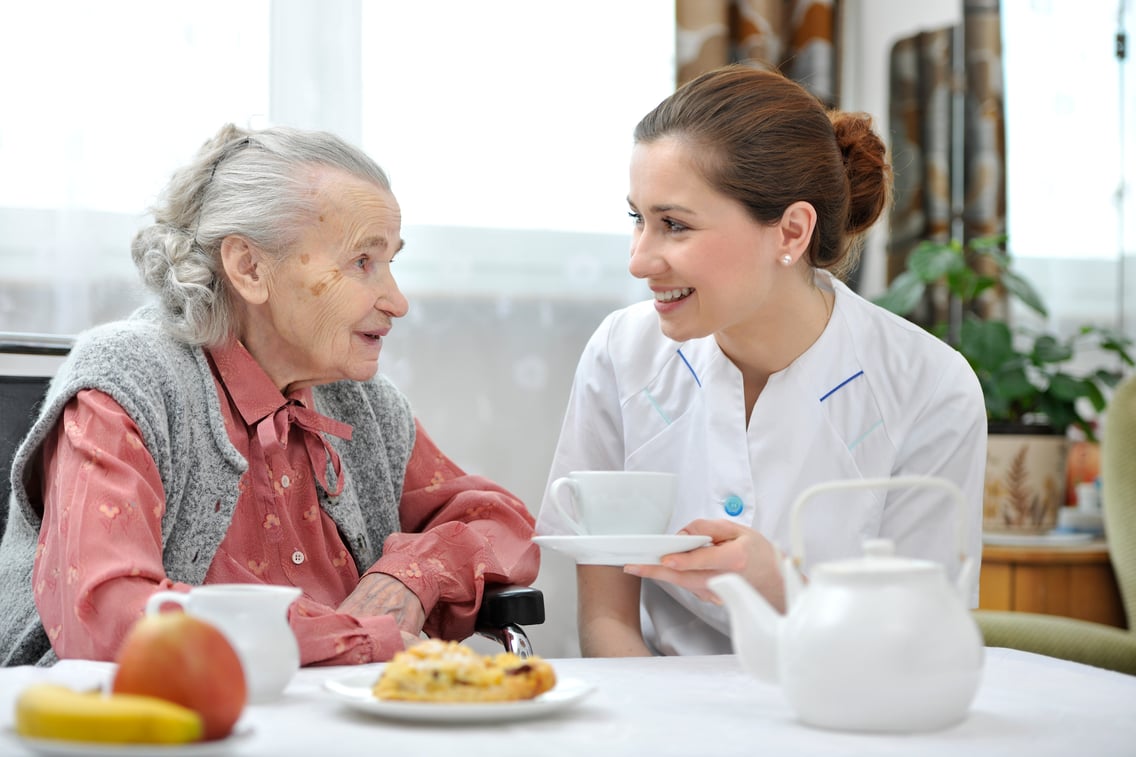
Digital tools and modern practices have transformed care homes
The reality in many homes today is very different from the outdated perceptions many people have. Modern care is about community, connection and continuity - with digitisation being a major factor in this modernisation.
For most care homes, gone are the days of care being managed through paper files, handwritten notes or rushed handovers. Instead, care has gone digital, using online systems to support safer, more personalised and more transparent care, creating lively, resident-led communities where residents can truly thrive.
PCS customer Marina Glaves, Registered Manager at Beechy Knoll Residential Home (part of Pearlcare Group), frequently encounters families whose fears dissolve when they see modern, digitised care homes:
"Families arrive with the idea that care homes are like old workhouses - restrictive places where residents have all decisions made for them.
"The modern care home is quite the opposite: lively, bustling places full of joy where people thrive. Residents are involved in how the home runs, what happens day-to-day, what they eat, how they spend their time.
"One resident whose sister was devastated when he moved here, convinced a care home was wrong for him. Four years on, she tells us, 'Why did I put myself through that stress when he's so happy now?'"
Modern digital tools reduce risk, enhance personalisation and reassure relatives
Our COO Jemma Robinson explains how digitally supported care could address some common worries and questions:
"Will my mum feel cut off from us?"
Most care homes now use family engagement tools that allow relatives to stay genuinely connected through shared updates, photos, messages and video calls. In some homes, this platform can also be used to organise little touches, like arranging gifts or services for your loved one through concierge-style features, which can make a big difference to their sense of connection and enjoyment.
"What if no one truly understands how my dad likes things?"
Digital care planning helps capture routines, preferences and personal details so care feels consistent - even across different staff and shifts. This supports care that reflects the person, not just their needs.
"Will my mum be bored or just stuck in front of the television?"
Modern wellbeing and activity platforms help care teams plan meaningful activities and entertainment around individual interests, abilities and energy levels, supporting both physical movement and mental stimulation.
"What if they're given the wrong medication?"
Digital medication systems (known as eMAR) have replaced paper charts, guiding staff step by step, setting reminders, flagging missed doses and creating a clear digital record of what’s been given and when. They're connected directly to pharmacies and wider care records, meaning prescriptions, changes and medical notes are shared accurately and promptly. This joined-up approach improves oversight, reduces the risk of errors and helps ensure medication is managed safely.
"Will they be left alone too much?"
Digital staffing and dependency tools help homes match staff levels to resident needs so they should never feel alone. Moreover, by reducing admin and improving planning, digital systems give care teams more time to spend with residents - not paperwork.
"Will they lose their independence and dignity?"
Emerging predictive care systems use data to spot emerging risks - such as falls or health deterioration - allowing support to be adjusted early and discreetly, often preventing distressing incidents and helping people stay independent for longer.”
Take the first step: have ‘That Care Home Conversation’
Care is no longer something to fear. In modern digitised homes, families stay connected, support is more consistent, dignity is better maintained and decisions are better informed.
Understanding how modern care works can remove much of the fear, but knowing how to raise the subject with a loved one can still feel daunting. For many families, this is not a single conversation, but a gradual process that unfolds over time.
According to our research, 33% of people delay because they simply don’t know how or where to start.
Rather than offering prescriptive advice, this January we encourages families to access trusted guidance from organisations experienced in supporting these conversations. A number of charities and care sector bodies have developed practical, compassionate resources designed to help families talk openly and confidently about care - while keeping elderly loved ones at the centre of the discussion.
Helpful resources
These resources can help families feel more prepared, more informed and less alone when beginning the conversation.

Age UK: Worried or concerned about an older person
This widely respected charity offers practical guidance for families who are unsure how to raise concerns, including suggestions for starting a dialogue and listening with care.
Visit website

Independent Age: Talking about how others can help
Independent Age provides guidance on sensitive conversations, focusing on respectful ways to talk about support needs and how family and friends can work together.
Visit website

Alzheimer’s Society: Talking to someone about memory problems
While focused on concerns about memory, this resource includes tips family members can use to gently introduce sensitive topics and begin discussions about changing needs and support.
Visit website

NHS: Getting a care needs assessment & support information
The NHS provides clear, impartial information on care and support planning, including how to request a needs assessment and what it involves.
Visit website
Start the conversation early
You don’t need the perfect words, or all the answers, to begin. What matters is recognising that the conversation itself is an act of care - not a decision, not a deadline, and not a loss of independence.
With a clearer understanding of modern care, families can talk earlier, decide more calmly and make sure future support reflects the wishes of the person at the centre of it.
Other articles
.jpg?width=564&height=705&name=shutterstock_2201680899%20(1).jpg)
Five rights of medication - how ATLAS prioritises safety at every point
Adhere safely to the five rights of medication with ATLAS eMAR
- 8 min read

Best practices for medicine management in care homes
What are the best practices to help you achieve greater medicine management in your care home?
- 15 min read

CQC compliance – a checklist for medicines
Everything you need to consider ahead of your next inspection to ensure CQC compliance for medicines
- 14 min read