
Veteran-friendly care starts with recognising service
Care teams using PCS Care can now build a fuller picture of residents’ Armed Forces backgrounds through a dedicated section developed with Royal Star & Garter. Available on request at no extra cost, the section supports a more consistent approach to recording service history and family connections, helping providers recognise experiences that could otherwise go unrecorded.
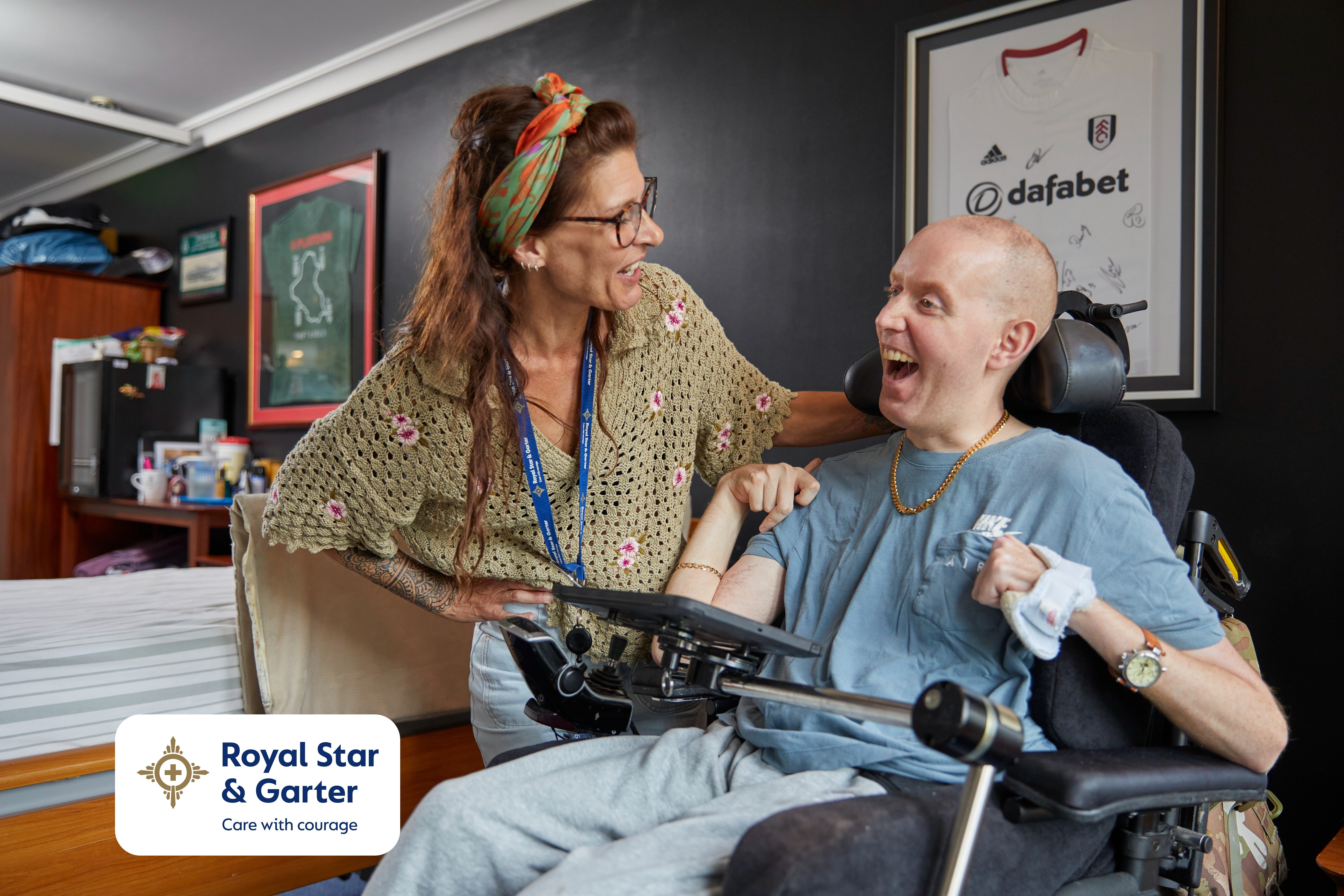
Remembering service, recognising the individual
Military service can shape a person’s identity, relationships and outlook long after they leave the Armed Forces. Understanding that part of someone’s life can help care teams build stronger relationships and provide support that reflects the individual.
Remembrance brings service and sacrifice into public focus, creating opportunities to hear the experiences of those who served. Within care, those conversations can reveal an important part of someone’s history, with relevance that extends throughout the year.
A resident’s time in the Armed Forces may have influenced where they lived, the friendships they formed, their family relationships and the routines they value. For someone receiving care, having these experiences recognised can help preserve their sense of identity and give staff a fuller understanding of the person they support.
Royal Star & Garter, a charity specialising in care for veterans and their families, highlights the importance of gathering this information across both care homes and home care. When an Armed Forces connection goes unrecognised, opportunities for meaningful conversation, companionship and specialist support can be missed.
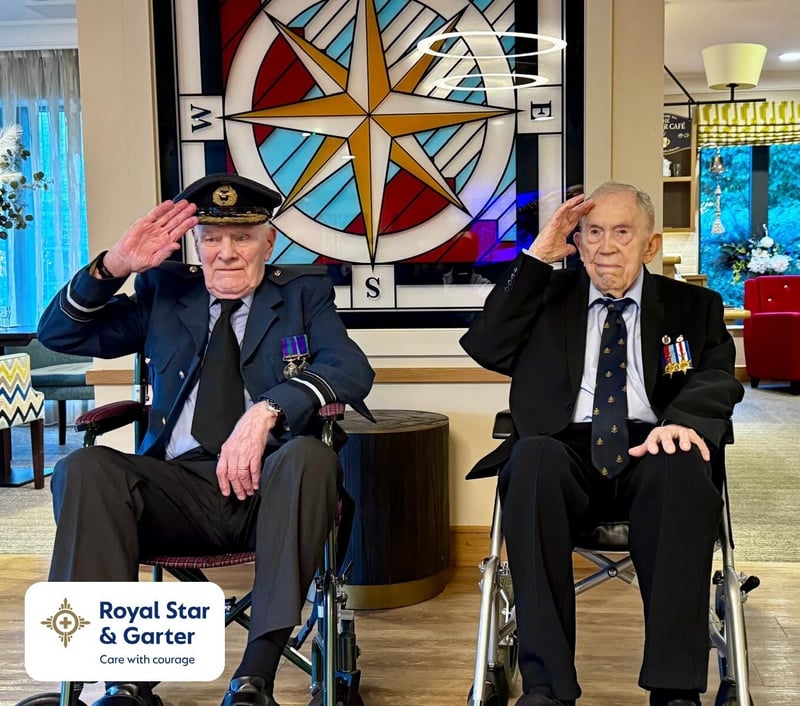
How to ask residents about Armed Forces service
When developing the Armed Forces section in PCS Care, we worked closely with Royal Star & Garter, whose expertise in veterans’ care helped shape a structured approach to gathering service information. The language used matters because people do not always recognise themselves in the term “veteran”.
Someone who completed National Service, served for a short period or left the Armed Forces many years ago might not use that description. “Have you ever served in the Armed Forces?” provides an accessible starting point, with further prompts helping to record the branch and type of service, service history and other relevant details. A structured approach gives care teams a consistent way to gather information during admission and revisit gaps in existing residents’ records.
Questions should also include whether a spouse or partner served, so that wider Armed Forces connections can be recognised. Throughout these conversations, people should have the opportunity to share as much or as little as they feel comfortable discussing.
How you can use service history to personalise care
Learning about someone’s service can give staff practical ways to make care more personal. A conversation about a former regiment, an overseas posting or a particular role might uncover interests, memories or friendships that would otherwise remain unknown. That understanding could inform activities the person enjoys, help them connect with others who share similar experiences or lead to contact with a service association. It may also identify opportunities to access charitable or specialist support for the individual or their partner. Service history can provide useful context for physical health, emotional wellbeing and how someone experiences care, while individual conversations help establish which details are relevant to their support.
The Veteran Friendly Framework (VFF) provides evidence of how this understanding can translate into better experiences. An independent evaluation of the framework reported improvements in social connection, participation in activities and feelings of isolation among veterans receiving care. These findings illustrate the value of recognising service and following that recognition with practical support.

Every care provider should ask about and record whether someone or their partner served. Consistent recording across the sector helps ensure these connections are recognised and inform care. For someone living with dementia, understanding their service history can support meaningful connections, familiar routines and care that honours their identity.
Kelda Fasasi, Assistant Director of Community Services, Royal Star & Garter
Take the next step with the Veteran Friendly Framework
VFF helps care homes develop their approach to supporting veterans and their partners through guidance, training and links with relevant services. Developed through a partnership between Royal Star & Garter , the Royal British Legion and the Veterans Covenant Healthcare Alliance, the programme requires homes to meet eight standards for accreditation. These include recognising Armed Forces status and related wellbeing needs in care planning, signing the Armed Forces Covenant and signposting support.
For providers looking to build on the information they gather, VFF offers a way to develop staff understanding and strengthen connections with the Armed Forces community.
Find out more about the Veteran Friendly Framework
Request activation for your home or group
The Armed Forces section is available as an optional and free of charge add-on to PCS Care. If you’re already using PCS Care (formerly mCare) and you’d like the section enabled for your home or group, fill in the form:
Other articles

Global PHP security issue: what it means for PCS customers
The web security issue that made headlines The issue relates to PHP, a widely used technology that helps power websites, online services ...
- 4 min read

Five rights of medication - how ATLAS prioritises safety at every point
Adhere safely to the five rights of medication with ATLAS eMAR
- 8 min read

Best practices for medicine management in care homes
What are the best practices to help you achieve greater medicine management in your care home?
- 15 min read