
PCS Resource - Staffing and Dependency
Staff every shift to real resident need. And prove it.
Built on 35+ years of dependency research to match staffing to resident needs, improve workforce planning, and support regulatory compliance.

Trusted by thousands of leading care providers





































Knowing dependency has changed is one thing. Proving it is another
Residents' needs shift gradually, and your team sees it long before anyone else does. Councils and inspectors need more evidence than that. They need to see what changed, by how much, and when. Without hard data, you face higher agency costs and missed funding opportunities.

Generic staffing models don’t reflect the changing needs of individual residents

Without clear evidence of staffing need, expensive agency cover is often used when existing staffing could be deployed more effectively

Without robust dependency data, it's harder to demonstrate how and when a resident's care needs have grown when it comes to a funding review
See the full picture of what residents need
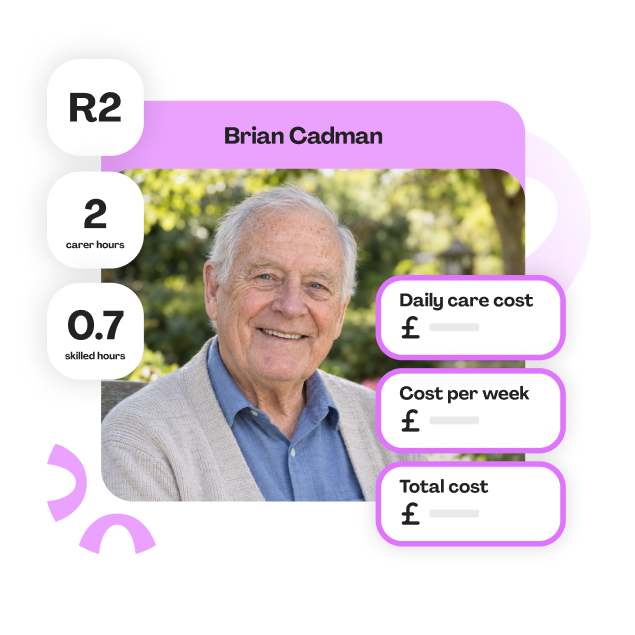
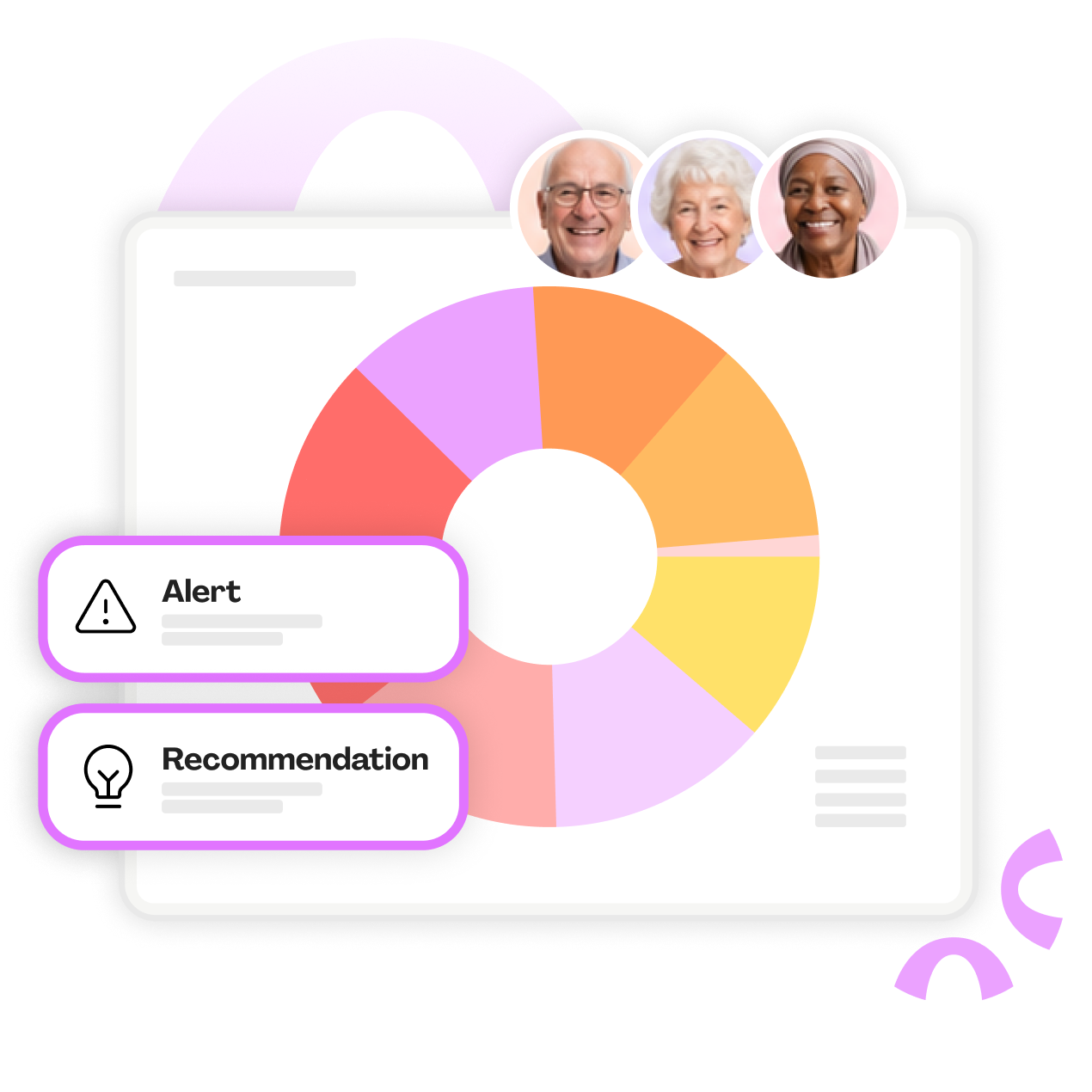
PCS Resource assesses each resident across 27 care metrics. It uses that assessment to calculate the care hours and skill mix needed for every shift.
As residents' needs change, PCS Resource provides clear evidence of the team you need, helping you make decisions based on resident need, not assumptions.
Reduce agency spend without adding headcount
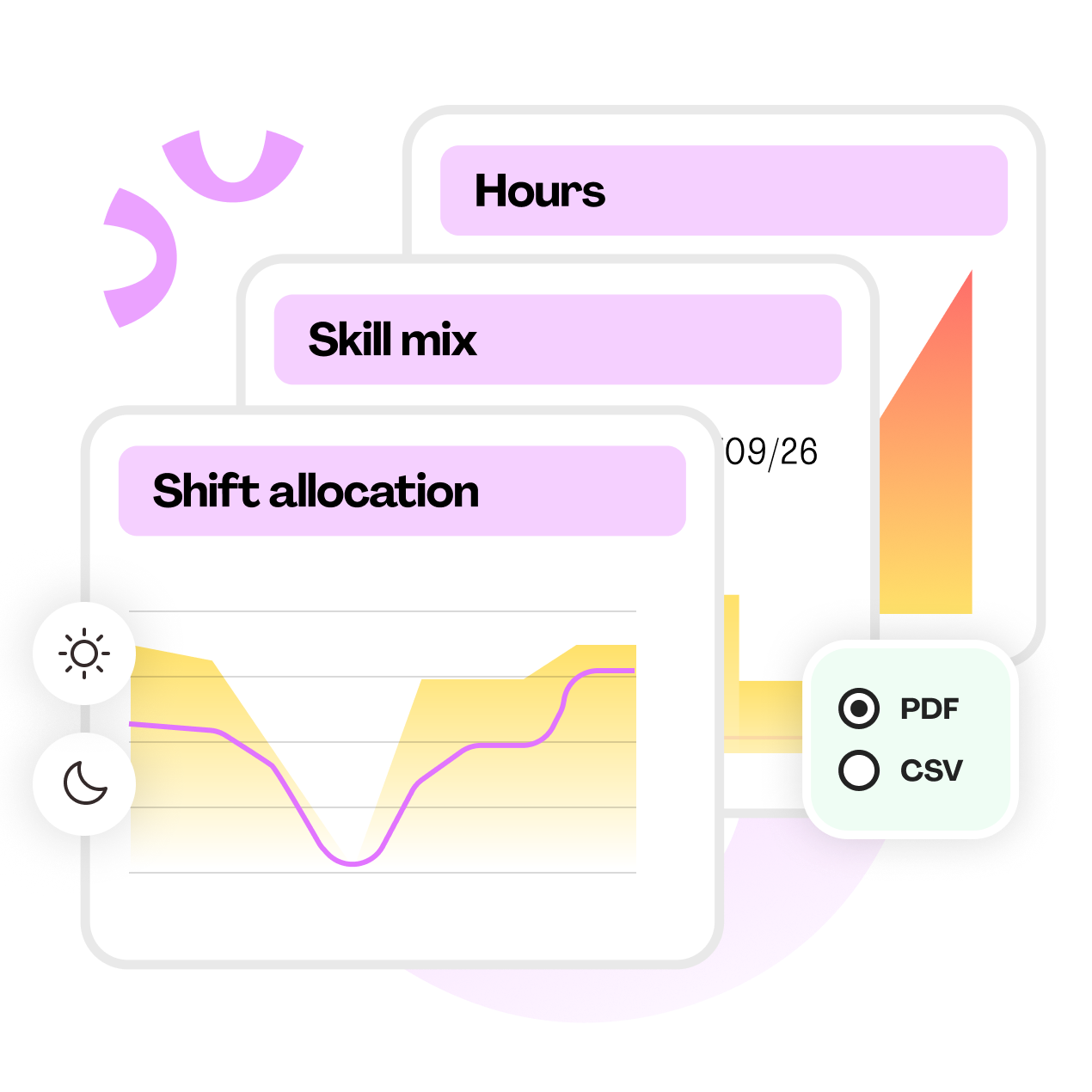
PCS Resource shows the hours and skill mix needed for each shift. When you can see where staff can be moved to cover gaps, you make better use of your existing team and reduce unnecessary agency costs.
Build a stronger case for funding reviews
PCS Resource tracks resident dependency over time, giving you clear evidence when care needs have increased. You can use that evidence to support funding reviews and show why a resident needs a higher level of funding.
How it works
PCS Resource shows you the hours and skill mix your residents need, helping you deploy staff more effectively and confidently explain the reasoning behind every shift.

Use care data you already record
Enter resident information directly, or connect PCS Resource to PCS Care and it reads from the care record automatically, with nothing to enter twice.

Calculate staffing requirements
PCS Resource converts dependency data into the care hours and skill mix required for each shift. Requirements update as resident needs change.

Compare required vs actual staffing
See the staffing required alongside the staffing you have in place. Identify gaps, surpluses and opportunities to redeploy staff.

Make decisions with confidence
You stay in control: PCS Resource provides evidence, while you make the staffing decisions and record your rationale when needed.Better staffing decisions start with better evidence
Rostering systems tell you who is working. They cannot tell you whether that was the right team for the residents in front of them, or prove it afterwards.

Each resident is assessed across 27 care metrics. Staffing reflects real needs, not generic ratios.

You see the reasoning behind staffing requirements. Clear evidence supports conversations with inspectors, councils and your board.
Compare required and actual staffing in real time. Spot gaps early and act before costs rise.

Track changing dependency levels over time. Show when care needs have increased and funding should be reviewed.
Case Studies

Mike Armstrong, MD
Havering Care Homes
-
Five years of data proved one resident’s needs had grown. The council backdated an increase of £11,000. Another review resulted in a £10,000 increase in funding for another resident.
Case Studies
Kelda Fasasi, Head of Innovation
Royal Star and Garter
-
 Agency spend reduced across all homes by deploying existing staff to the right time and place and with the right skill mix. CQC rated Outstanding in 2023.
Pricing tailored to your needs
Priced on the beds you manage, with the flexibility to grow when you're ready.


Explore more PCS solutions
Run a safer home. Build a more confident workforce. See clearly across every home.
PCS solutions cover staffing, medication, training, family and life enrichment, so you can add what your homes need next.
PCS Care
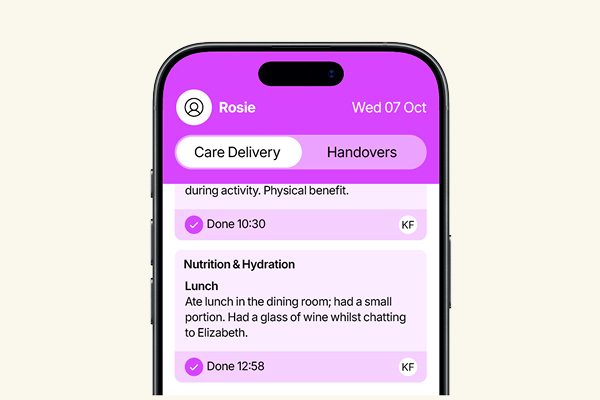
Deliver consistent, person- led care with real-time oversight and connected clinical workflows.
PCS eMAR
Simplify medication administration and ordering, minimise errors, and enhance workflows.
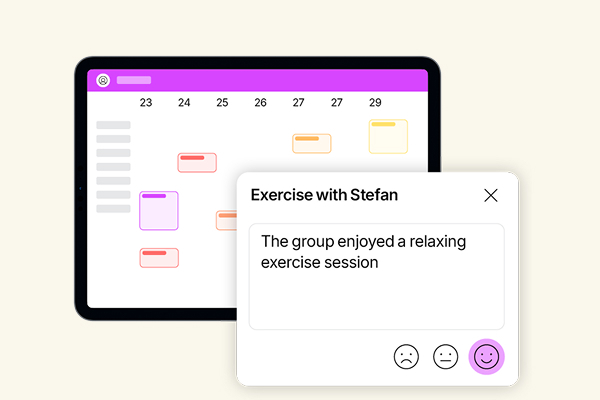
PCS Wellbeing
Turn everyday activities into measurable wellbeing outcomes for every resident.
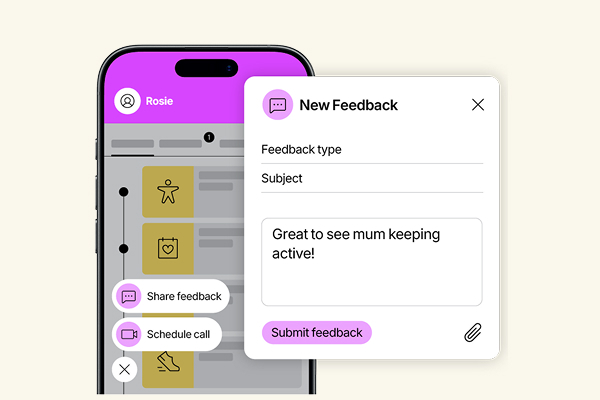
PCS Family
Keep families close, informed and reassured about the care their loved ones receive.
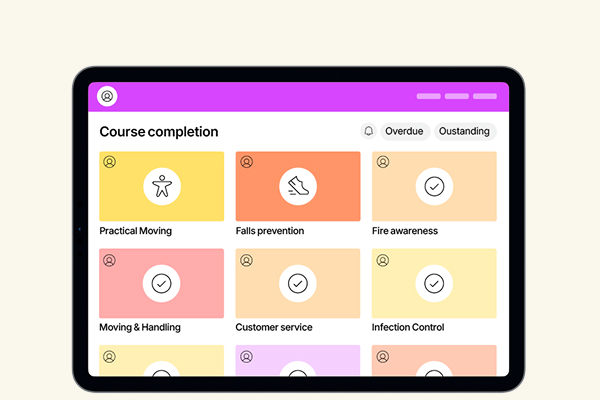
PCS Learn
Turn training into a trackable system that evidences staff readiness for the care they deliver.