
Case study
Helping Graham Care Homes reduce medication risk with better data
Graham Care Homes uses PCS Care and PCS Medication to bring care records and medication data closer together across seven homes. With safer medicine administration, richer care notes and clearer reporting, teams can reduce risk, evidence care more confidently and build a better view of each resident’s support.
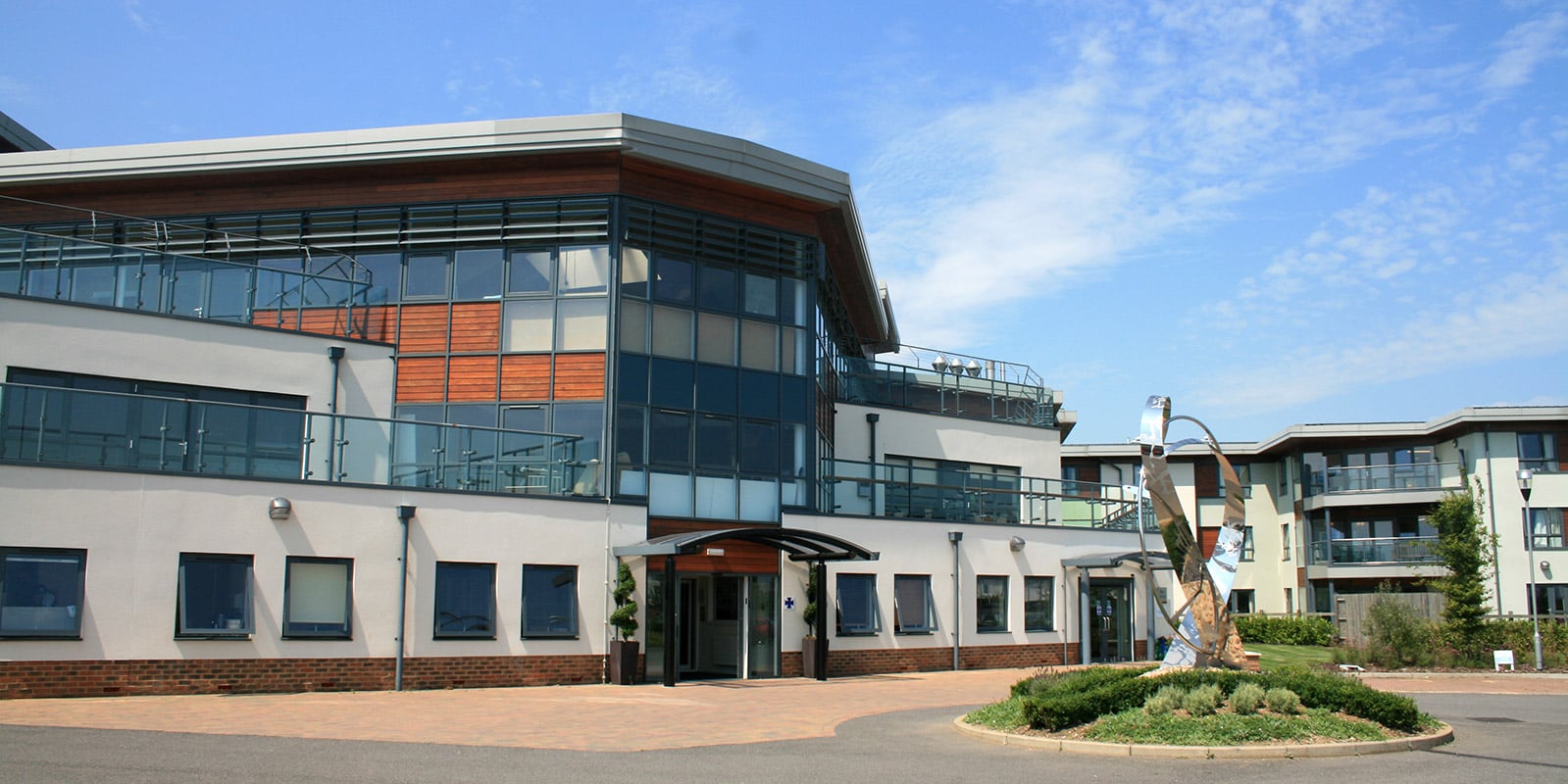
Graham Care Homes is a family-owned group of seven purpose-built nursing and residential care homes across Kent, Surrey and Sussex, caring for more than 500 residents.
The group has always taken a progressive approach to care technology. Ernie Graham, Owner of Graham Care Homes, wanted systems that could help the group reduce risk, evidence outcomes and give leaders a clearer view of care and medication management across every home.
That meant bringing care records and medication information closer together, so teams could use better data to support safer, more personalised care. PCS helped Graham Care Homes do that through a suite of PCS solutions.
The challenge
Graham Care Homes needed better data to manage risk across its homes. The group had already invested in digital care records, but its existing in-house care planning system was becoming harder to develop in line with the group’s ambitions. Graham Care Homes wanted a more modern, mobile way for staff to evidence care as it happened, while giving managers better access to information they could use for compliance, quality and operational oversight.
Medication management was another critical area. In a nursing and residential care group supporting more than 500 residents, medicines create a large volume of data and a high level of responsibility. Leaders needed clearer oversight of medication rounds, stock control, changes to prescriptions and areas where risk might be building.
Giving Graham Care Homes clearer medication and care data
PCS Medication : safer administration and stronger oversight
Medication safety was a major priority for Graham Care Homes. The group needed medication management that could support barcode scanning, stock control, communication with pharmacies and GP surgeries, and stronger oversight across homes. PCS Medication (formerly ATLAS eMAR) gave the team a more controlled way to manage these tasks, with reporting that helped managers review performance and act where support was needed.
Graham Care Homes also used medication management data to support a different way of working. Before introducing this approach, nurses spent around two hours administering medicines, which left less time to lead the shift. By training and competency assessing “med carers” to support medication administration, nurses could delegate medicines tasks safely and focus more of their time on leading care.
For managers and compliance teams, the scorecard-style reporting gave a clearer view of medicines management across each home. That made it easier to manage by exception, identify underperformance and reduce risk before issues became harder to fix.
PCS Care: ten times more care evidence, recorded in real time
Instead of relying on staff to remember everything later in the day, carers could record care on handheld devices while they were with residents. The icon-driven interface and speech-to-text helped staff capture notes quickly, while still adding more detail about each person’s day. That led to a major uplift in care evidence. Graham Care Homes increased from around five care notes per resident per day to around 50.
For residents, that gives the team a clearer picture of daily needs, preferences and experiences. For managers, it creates stronger evidence for care planning, reviews, CQC conversations and compliance. More frequent care notes also help the group move towards more personalised care, because teams can see what is changing for each resident day by day.
Connecting medication records with care records
The integration between PCS Care (formerly mCare) and PCS Medication is one of the most useful parts of the story. Each home generates around 20,000 medication records per month, and those records flow into the resident’s care record in PCS Care. That gives Graham Care Homes a clearer link between medication activity and wider care evidence, which is especially important because medication is such a big part of compliance management.
This joined-up view helps teams understand what has happened, what needs attention and where care or medication risks may need closer review. It also supports Graham Care’s wider belief that care providers need data from multiple specialist systems to build a more meaningful picture of care quality and risk.
PCS Family: greater transparency with relatives
Graham Care Homes has always valued openness with relatives. PCS Family (formerly ResHub) gives family members access to care updates, along with a way to receive photos and messages that help them stay connected. For Graham Care Homes, that transparency helps build trust because relatives can see more of the care being provided and feel closer to daily life in the home.
The group also wanted relatives to have greater access to care information, so PCS configured permissions to support Graham Care Homes’ approach to openness. That gave families a clearer view of their loved one’s care while supporting stronger relationships between relatives, residents and care teams.

Using in-depth specialist systems that integrate seamlessly like PCS Care and PCS Medication, we have analytics and insights on care that we did not have before.
Building a clearer picture of care and risk
Graham Care Homes uses PCS to bring care records, medication data and family transparency into a more connected way of working. For Graham Care Homes, the value is in the data those systems create together. Leaders can see more, staff can evidence more, and teams have better information to manage risk, improve care and support residents with more confidence.