
Case study
Connecting care, medication and operations at Larchfield House
Larchfield House uses PCS Care, PCS eMAR, Digital Reception and Nursecall Messaging Service to bring key care and operational information together in one connected way of working.
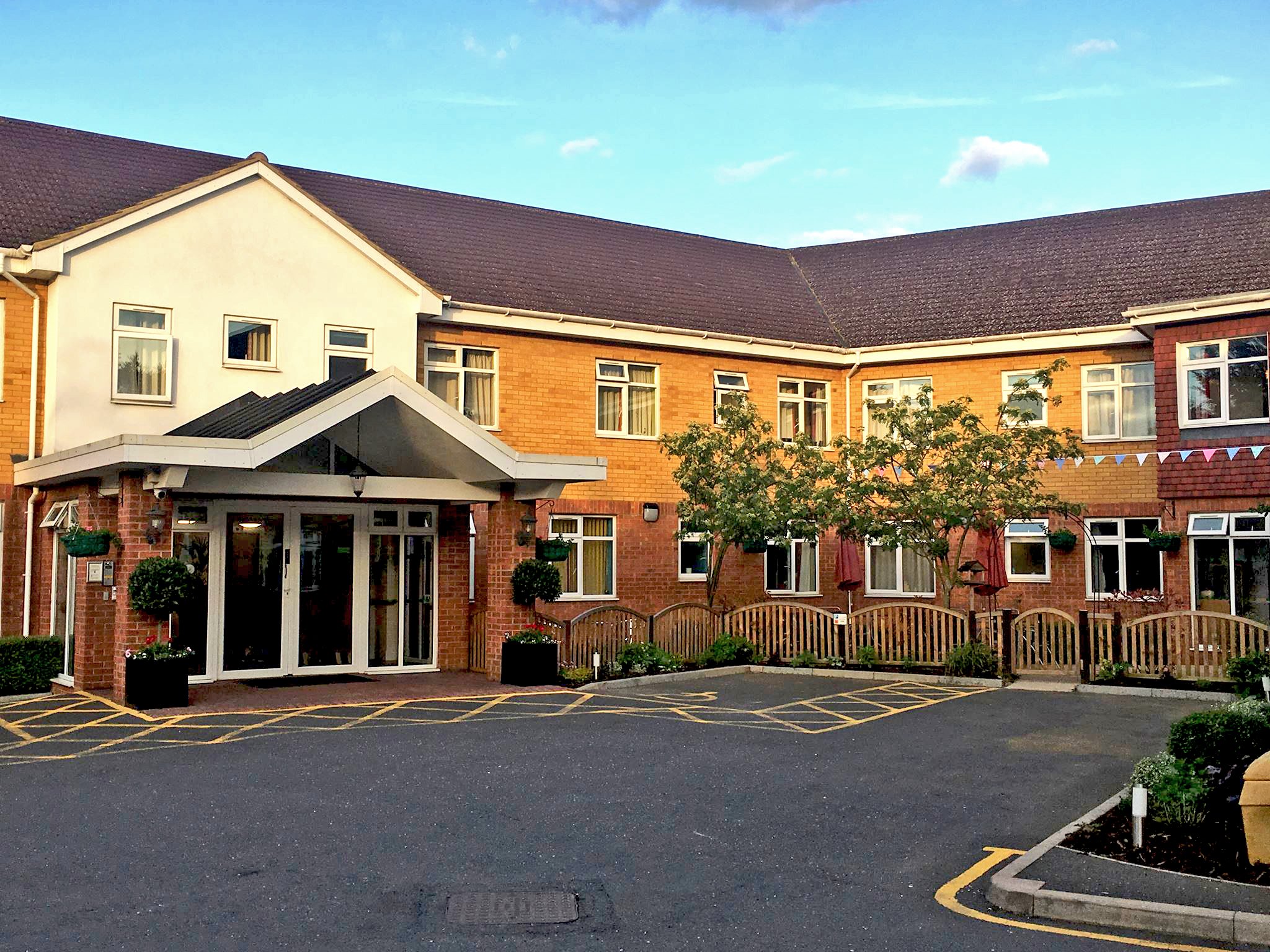
Larchfield House is a specialist complex care home registered for 96 beds. Its seven communities support people with a wide range of needs, including nursing dementia, young onset dementia and palliative care.
In a home managing that level of complexity, staff need the right information at the right moment. Care plans, medication, incidents, visits and call activity all contribute to the picture of what is happening for each resident.
Larchfield House uses four PCS services to bring those areas closer together. PCS Care, PCS eMAR (formerly ATLAS eMAR), Digital Reception and Nursecall Messaging Service give staff and managers clearer information while reducing the time spent finding, recording and bringing evidence together.
The challenge
Supporting people with complex and changing needs creates a large amount of information every day. Larchfield House needed staff to be able to understand each resident quickly, record important changes at the point of care and respond when something needed attention. Managers also needed reliable information for safeguarding, funding, audits and inspections without having to search across different places to build the full picture.
The same challenge extended beyond care planning. Medication needed close oversight. Visits could affect residents' wellbeing and family relationships. Call activity needed to reach the right staff quickly, particularly overnight when fewer people were on shift. For Home Manager Rohan Patel, saving time across those everyday processes matters because that time can go back into the quality of care residents experience.
Making complex care easier to coordinate
PCS Care: making complex care information easier to use
PCS Care (formerly mCare) gives staff access to care plans, risk assessments and key information about each resident without needing to work through multiple screens.
Features including fluid and nutrition monitoring allow teams to keep a close eye on residents' intake, including where hydration could affect medication. Plan Care Day helps staff structure care around each person's priorities, while Who I Am captures the preferences, interests and life story that help staff understand the individual behind the care plan.
For a home supporting people with complex needs, having detailed care notes and behaviour charts readily available is particularly valuable when dealing with safeguarding concerns or gathering evidence for additional one-to-one funding.
The time involved in recording care matters too. Icon-driven recording and speech-to-text make it easier for staff to document care during the day, reducing the administrative work around creating detailed care notes and leaving more time for residents.
PCS eMAR: giving managers a clearer view of medication
PCS eMAR gives Rohan and his team daily reporting so they can see how medicines are being managed across the home and have information available for audits and inspections.
Checks within the system support the five rights of medication administration, helping the team reduce medication errors. Stock information also gives staff greater control over medicines coming into and being used within the home, reducing the risk of having too much or too little available.
Because medication information can feed into residents' care records, staff have a stronger connection between medicines and the wider care being delivered. That is particularly useful when someone's medication may affect areas such as hydration, behaviour or their wider care needs.
Digital Reception: connecting visits with the wider care picture
Visits are an important part of life at Larchfield House, but they can also carry information the care team needs to understand. Digital Reception records visits and links them with the resident's wider care information. Larchfield House has found this useful when managing individual wishes around who someone does or does not want to see, giving staff a clearer record to support those decisions.
The service also gives visitors and relatives a way to share feedback. For Larchfield House, that has created opportunities to address concerns directly and use feedback to improve, while giving the team evidence they can draw on when demonstrating how they listen and respond to people using the service.
Nursecall Messaging Service: helping staff respond when residents need them
At night, when staffing levels are lower, Larchfield House needs to make the best use of the people available while giving residents space and support when they need it.
Nursecall Messaging Service sends call information to staff and records activity automatically. Rohan says this has helped the team respond to incidents sooner and use staffing resources more effectively overnight.
For residents, quicker responses can also support safety. Larchfield House has linked the service with reducing the chances of falls and hospital admissions, particularly where timely support can prevent a situation from becoming more serious.
PCS Care enables our complex needs nursing home to stay compliant, safe, effective and efficient."
Giving complex care the support it needs
The needs of someone living at Larchfield House do not sit neatly within one system or one part of the working day. A change in medication can affect wider care. An incident can change a risk assessment. A visit can matter to someone's wellbeing. A call in the night may need an immediate response.
Larchfield House has built its approach around making those connections easier for staff to see and act on. That gives the team more room to focus on the individual, while the information needed to manage a large and complex home is captured as part of everyday care. For Rohan and his team, technology works best when it quietly supports that complexity rather than adding to it.