
Case study
Giving Mulberry House clearer oversight for specialist learning disability care
In a large specialist home, care teams need quick access to the right detail. Mulberry House uses PCS Care to strengthen care planning, improve visibility and evidence support for adults with learning disabilities and complex needs.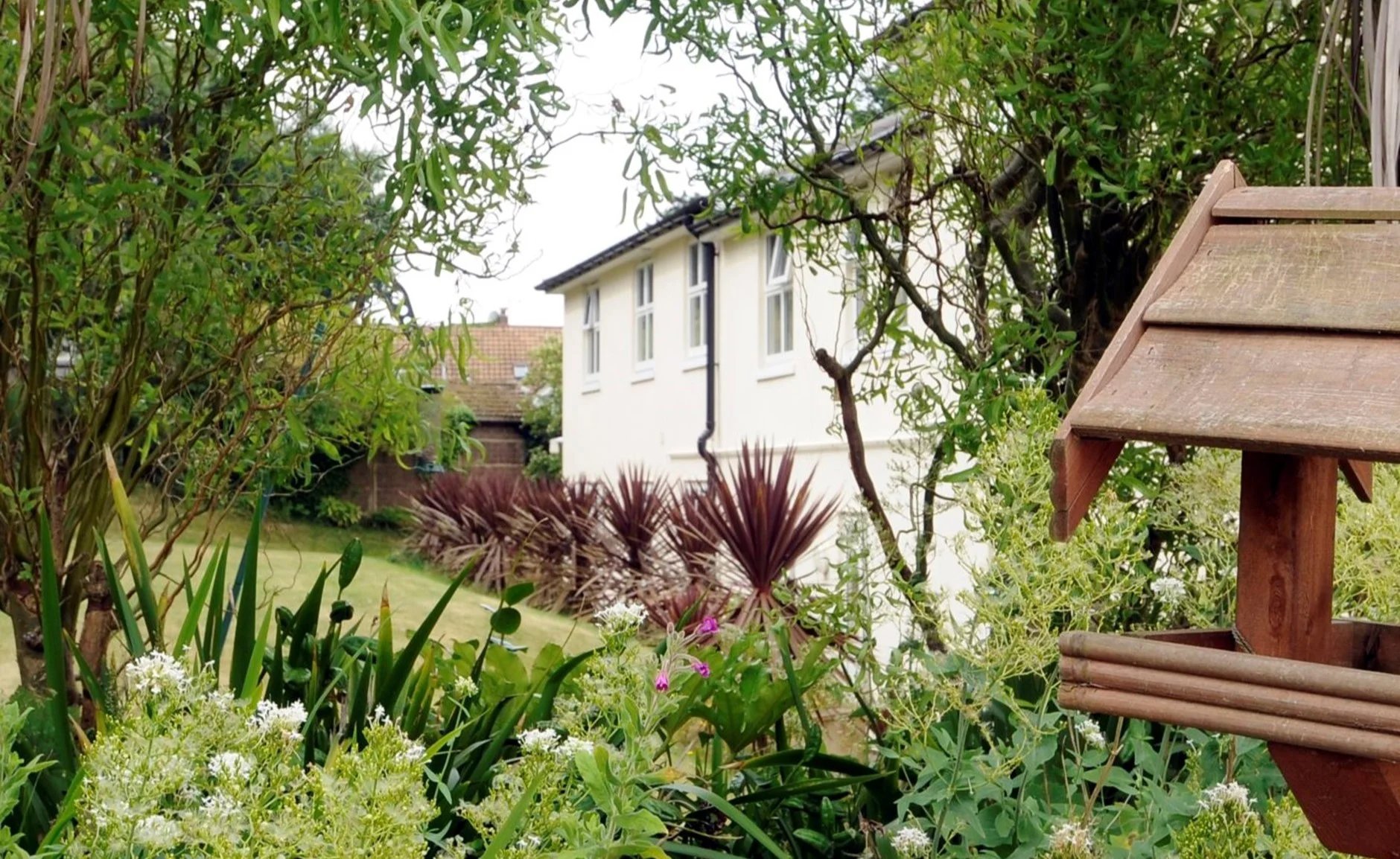
Mulberry House is a 72-bed nursing and residential care home in St Leonards-on-Sea, supporting adults of all ages with a wide range of needs. The home cares for people with high nursing needs, end-of-life care needs, mental illness, learning disabilities, challenging behaviour, dementia, acquired brain injuries, neurological conditions and other long-term conditions. It also specialises in supporting people whose needs have been difficult for other services to manage effectively, particularly around behaviour and more complex dementias.
For a home with that level of clinical and behavioural need, care records have to do more than sit in the background. They need to give staff useful information, give managers visibility across the whole building and provide clear evidence when professionals, families or regulators need answers. mCare gave Mulberry House a better way to manage that information.
The challenge
Mulberry House needed care records that could keep pace with a specialist service. The home supports people with varied and changing needs, so staff need accurate information at the point of care and managers need a clear view of what is happening across different units. Tara Cross, Registered Care Manager at Mulberry House, also needed stronger evidence from a safeguarding and CQC perspective, with less time lost to manual admin and report preparation.
The home had tried another digital care planning system, but the system did not meet the level of demand. Staff found it difficult to use, reports were hard to pull together and pre-populated care plan wording could feel too generic for the people Mulberry House supports.
That was a problem because specialist care needs individual detail. Generic statements do not show how someone communicates, what risks need monitoring, what support works for them or how their needs change over time.
Creating clearer records for complex care
PCS Care (formerly mCare) gave Mulberry House a more practical way to build and use care records across the home. Staff can access residents’ preferences, care needs and key information at the point of care, while managers can review reports quickly and see what is happening across the building without having to chase updates from different teams.
For Tara, the care planning tools were valuable because they let her write individual care plans electronically, with the right level of detail for each person. The assessment tools also supported clinical governance, giving the team a clearer way to connect care plans with resident needs, risk and professional input. Hospital packs could also be generated quickly from resident files, saving time when someone needed to be transferred to urgent care.
Better visibility for staff, managers and families
Mulberry House is a large home, so visibility matters. PCS Care gives managers a quicker view of care activity, reports and resident needs across the building. That helps the team stay responsive and gives senior staff better information when they need to act.
The same visibility is useful for staff. Agency workers can access the same resident information as regular team members, which helps them understand care needs before delivering support. The icon-based recording is also useful for carers whose first language is not English, as staff can record information quickly without relying only on long written notes.
Families also expect transparency. Mulberry House shares that it uses PCS Care when showing prospective families around the home, because families want to know that information can be recorded, reviewed and shared clearly when needed.
Using care data to respond sooner
Fluid and nutrition monitoring is one of the features Mulberry House uses every day. The team can personalise each person’s fluid needs, including targets or caps linked to medical conditions. Managers can quickly see who has eaten, who has drunk, what has been offered and where staff need to respond.
That detail has made a practical difference. Tara explained that the feature has helped reduce falls and UTIs, with the home seeing almost no incidences of UTIs, chest infections, pressure damage or ulcer damage.

It’s great going to a safeguarding meeting surrounded by social workers, family and CQC inspectors because whatever they ask for or need, you can produce evidence. You can see all of the GP and professional input too.
Supporting specialist care with better evidence
Mulberry House supports people with learning disabilities, challenging behaviour, dementia, mental health needs and other complex conditions, so the team needs care records that reflect the full picture of each person’s support.