Skip to Content

PCS Care | Care planning 

Create care plans that help every resident thrive

Use PCS Care to build person-centred care plans. Easy to create, easy to maintain and always accessible to your team. Help everyone deliver consistent care that's tailored for each resident.
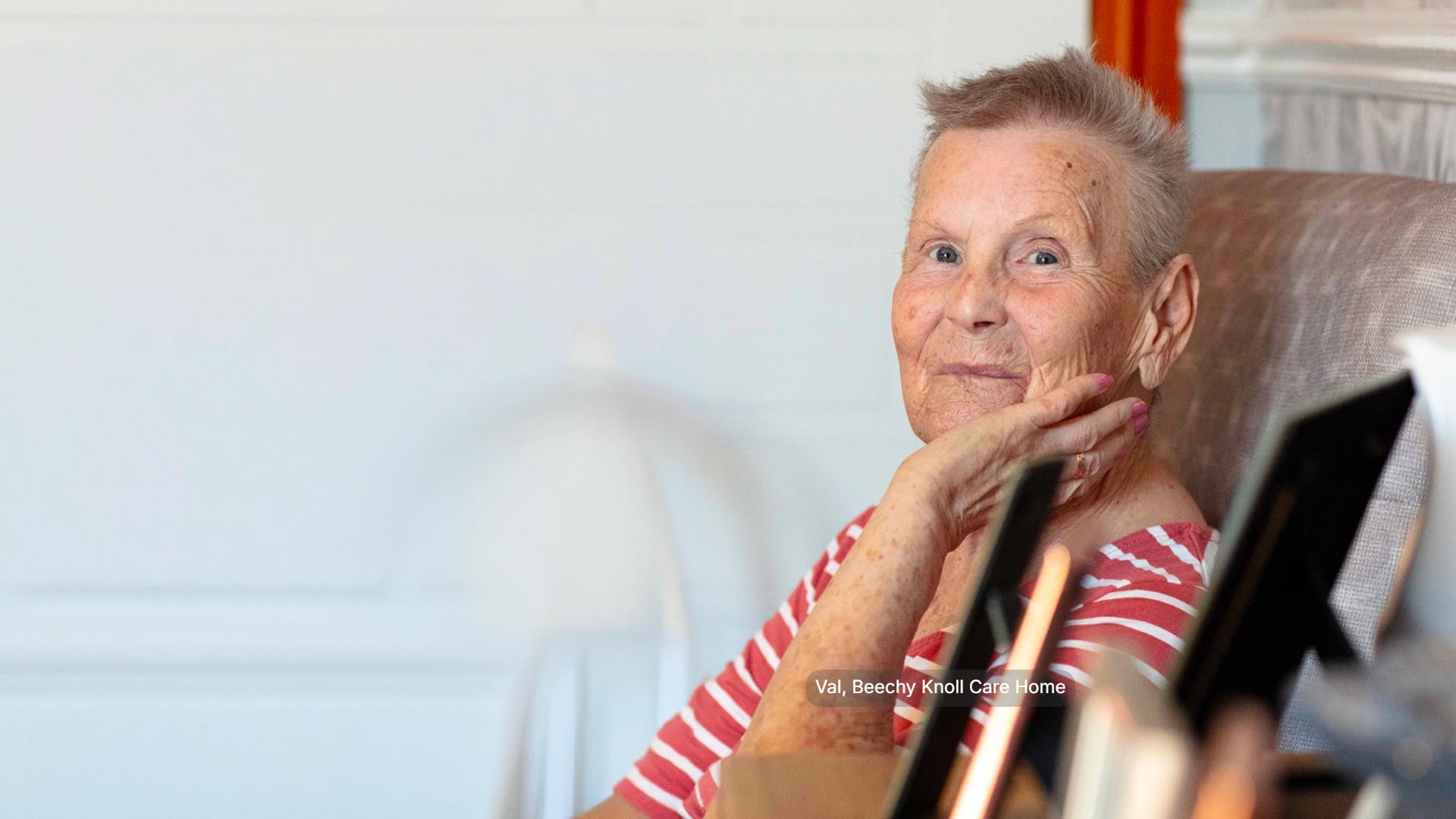
Resident Val, Beechy Knoll Care Home

Trusted by thousands of leading care providers

300,000+ residents
5,500+ UK care homes and organisations
5B+ care observations per year

Build care plans with the person at the centre

Every resident has different needs, preferences, routines and goals. PCS Care helps you build care plans that reflect the whole person, making it easier for your team to provide consistent, individualised support.

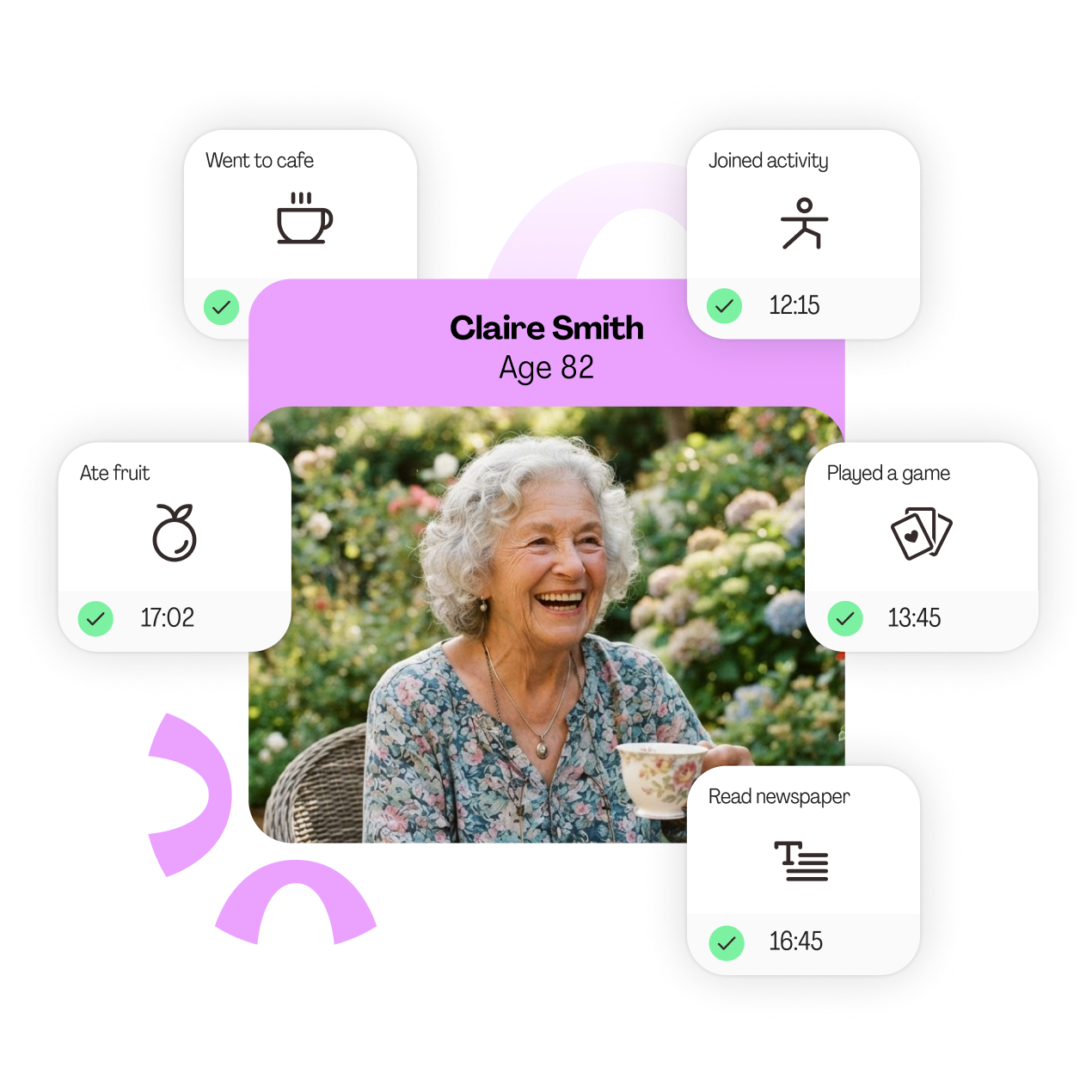
PCS Care UI illustration resident notes

Stay confident that care plans reflect current needs

Because care needs change over time, PCS Care makes it easy to review, update and share care plans.

Instead of relying on outdated paperwork stored in an office, your team accesses the same, up-to-date information right where they need it.

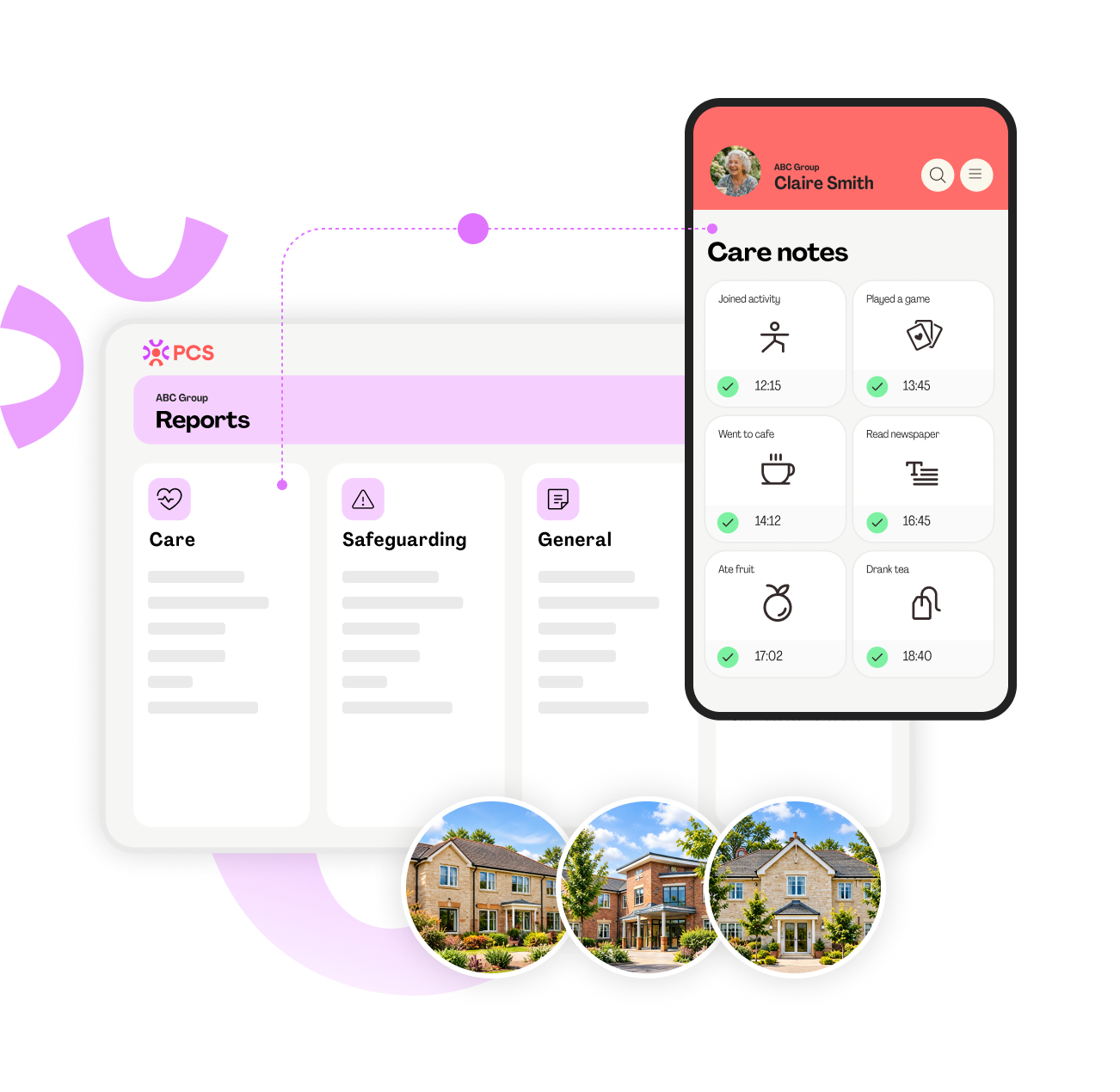
PCS Care UI illustration reports

Better care starts with a better plan

With clear care plans created with PCS Care, your team stay consistent, support compliance and provide the right care, to the right resident, at the right time.

user-focus
Plan person-centred care 

Capture preferences, routines, needs and goals 

list-checks
Keep plans up to date 

Review and update information as needs change 

users-three
Support consistent care 

Help every team member follow standardised processes 

tree-structure
Improve communication 

Share trusted information across your organisation 

shield-check
Stay compliant 

Maintain clear records and evidence of care planning 

user-circle-gear
Respond to changing needs

Identify when care plans need reviewing 

lightning
Reduce paperwork 

Spend less time managing documents 

hand-heart
Improve outcomes 

Keep care aligned with resident needs 

Previous slide
Next slide

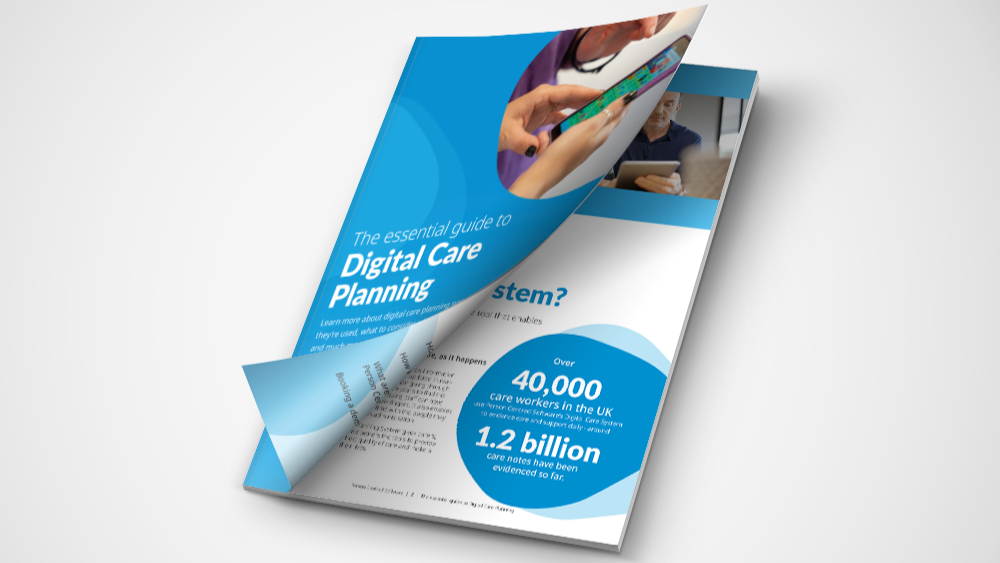
Download the free guide to digital care planning

Discover how digital care planning helps you improve care quality, reduce paperwork and create more time for person-centred care. Plus, learn what to look for when choosing the right system for your organisation.

care-1

How it works – PCS Care planning 

PCS Care makes care planning easier for managers and more accessible for frontline teams.

user-list

Build care plans

Create personalised plans based on resident needs and preferences

share-network

Share information securely 

Make care plans available across your organisation

user-circle-gear

Review and update 

Keep plans aligned with changing needs

hand-heart

Deliver consistent care 

Help your team provide the right support every day

Previous slide
Next slide

Case studies

undefined-May-13-2024-10-34-48-6637-AM

PCS Care allows me to easily view activity across our three suites. This is particularly helpful when I'm working remotely. I also like our catch-up calls with PCS - they continue to update the software to meet the needs of care providers and residents.

Josie Greveson Registered Manager, Ashfields Care Home

Case studies

undefined-May-13-2024-10-34-48-6637-AM

Over the years, I’ve seen other digital care solutions and they look needlessly complicated next PCS. In a job where time is very valuable, having a system that is so easy to use, where you can just rely on it to do its job, is a huge benefit.

Rohan Patel Home Manager, Larchfield House 

Case studies

undefined-May-13-2024-10-34-48-6637-AM

PCS Care is ahead of the market, and the depth and quality of data are amazing. The system enables our care teams to deliver high-quality, safe and person-centred care.

Tara Cross Registered Care Manager, Mulberry House 

FAQs about care planning and PCS Care

Care planning allows care providers to understand why a resident is receiving care, the resident's medical history, preferences and personal details. Care plans also include vital information for care staff to help them give the best possible care, support and treatment. The aim of care planning is to help improve residents' safety and quality of life. 

Modern care organisations create comprehensive person-centred care plans with care planning systems such as PCS Care

PCS is the UK's most widely used digital social care record system and has been helping care providers deliver high-quality, person-centred care since 2013. 

You can create, manage, monitor and evidence digital social care records with PCS Care. The care planning tools in PCS Care, such as body maps, fluid and nutrition monitoring, oral hygiene, wound care, review cycles and many more, are integrated to provide comprehensive, detailed and up-to-date care plans.

With PCS Care, all the information carers need is available to them when they need it, helping to make sure they deliver outstanding care.

PCS Care meets and exceeds the government's requirements for digitised care records and comes with many benefits, such as: 

  • Create comprehensive person-centred care plans

  • See relevant information in one place

  • Improve care outcomes and the delivery of care 

  • Enable care staff to evidence care as it happens in real-time

  • Enhances information security

  • Boosts operational performance 

  • Joins up health and social care information, improving the coordination of care

Customers regularly tell us that our software frees up carers to spend more time to spend with residents, and has improved the mental, physical and emotional wellbeing of care staff and residents.  


We also have an extensive network of trusted partners who offer technology or services which integrate seamlessly with PCS.

Consistency is a key reason that care staff create and use care plans. The plan ensures care is delivered consistency, tailored for the resident, no matter who is caring for them. 

If a good care plan is in place, then care will be consistent despite staff changeovers, rota changes, visits or schedule changes.

A care plan is a personalised record of a resident's needs, preferences, routines, risks and the support they require. It helps your team understand what matters to each person, deliver consistent person-centred care and make sure everyone is working towards the same goals. Clear, up-to-date care plans also support compliance, improve communication and help achieve better outcomes for residents.

A care plan should reflect the individual needs, preferences and goals of the person receiving care.

For a care home resident, here are some examples of what might be included in the care plan:

  • What's important to me

  • What I can do myself
  • Assessment of my care needs
  • My wishes and preferences
  • Adaptations or equipment to make my home or room more comfortable and safer
  • Details about my personal alarm that I can use in an emergency
  • Records of care provided
  • Desired outcomes
A good care plan also sets out clear actions and responsibilities so staff can provide consistent, person-centred care.

A good care plan is truly person-centred, reflecting the individual's wishes, preferences, needs and goals.

The care plan should be developed with the involvement of the person receiving care if possible, helping them stay in control of decisions about their support.

Effective care plans are:

  • Clear and easy for staff to understand

  • Tailored to the individual's needs and preferences

  • Focused on maintaining independence

  • Regularly reviewed and updated

  • Flexible enough to adapt to changing needs

  • Structured around agreed outcomes and goals

  • Clear about actions, responsibilities and progress monitoring

  • Secure and accessible to the professionals involved in care

When care plans are accurate, up to date and centred around the individual, they help teams provide more consistent care and achieve better outcomes.

A care plan should be created after a full assessment of a person's needs, preferences and circumstances.

If possible, the person receiving care should be involved in the process, along with their family, advocates or other professionals.

Care plans should then be reviewed and updated regularly to reflect any changes in needs, goals or outcomes.

Care plans are usually created by care professionals working closely with the person receiving care.

The aim is to build a clear understanding of the individual's needs, preferences and goals, then document how support will be provided.

Family members, advocates and other professionals may also contribute to help make sure the care plan is an accurate reflection of the person, and supports person-centred care.

Care plans should be reviewed regularly and updated whenever a person's needs, preferences or circumstances change.

Regular reviews help make sure care remains appropriate, person-centred and aligned with the outcomes you're working towards.

The frequency of reviews may vary, but care plans should never be treated as static documents.

People are more likely to achieve positive outcomes when they're involved in decisions about their own care and support. Involving residents in care planning helps ensure their wishes, preferences and goals remain at the centre of care, leading to a more person-centred approach.

It’s about moving the conversation from ‘What's the matter with you? to ‘What matters to you?’, helping residents stay involved, informed and in control wherever possible.

Yes, this is where multidisciplinary teams (MDTs) come in. Good care planning often involves information from multiple professionals and services working together to support the person receiving care. This could include input from GPs, nurses, therapists, social workers and other specialists.

MDTs are a mix of health and care professionals who are members of different organisations and professions who work together to make decisions about the treatment of individuals. There are MDTs in both health and social care. 

By bringing relevant information together, care teams can develop a more complete understanding of a person's needs and make sure care is coordinated, consistent and person-centred.

This joined-up approach helps everyone involved work towards the same goals and deliver better outcomes.

Care planning is part of PCS Care

PCS Care planning works alongside the PCS Care app and care monitoring to help you create personalised care plans, deliver consistent support and maintain visibility across your service.

Plan care for the people you support

See how PCS Care planning helps you create personalised care plans, support consistent care and improve outcomes for every resident.