




03.13.2026 Suzanne Worthington
From exercise to cooking and everything in between, we give our list of the best activities for people living in care homes

Living in a care home doesn’t mean giving up the things that make life enjoyable, nor does it mean leaving behind that which makes a person unique. With the right support and activities, residents can stay physically healthy, mentally active, and emotionally fulfilled. Not only this, but the very best levels of care are only achievable when these things are considered essential, rather than good to have. Outstanding care is not just about safety and comfort, it’s about helping people feel connected, valued, and engaged in daily life. It’s about boosting their experiences of care and quality of life.
If you’re someone working in a care home, perhaps as an activities coordinator a member of the care staff team looking to help residents with their mental and emotional wellbeing, knowing what kind of activities are best suited to people living in care is the next thing to consider.
So, here are ten of the best activities for people living in care homes for boosting wellbeing and quality of life, each of which coming together to provide the ideal balance of movement, creativity, connection, and mental stimulation.
Gentle exercise and chair yoga

Staying active is important at any age, but especially for older adults. Gentle exercises such as chair yoga, stretching, or seated tai chi can improve flexibility, support joint health, and increase energy. These exercises are safe for people with mobility issues and can help prevent falls and improve sleep.
Group exercise also provides a sense of community. Moving together in a relaxed setting helps build routine and lifts mood by releasing natural feel-good chemicals in the brain. Some sessions can include breathing exercises or soft music to add a calming effect.
Music therapy and sing-alongs

Music has a way of reaching people emotionally, even when words fail (which would be especially helpful for residents who struggle with verbal communication, like those living with dementia). Listening to favourite songs or singing along in a group can bring back memories, reduce anxiety, and help residents feel more connected to the wider care home community.
For those living with dementia, familiar tunes can also spark recognition and joy. Music therapy sessions or casual sing-alongs also encourage social interaction and can become a fun part of the weekly schedule. Even just playing soft music in the background during quiet times can help create a peaceful atmosphere, making the care home feel more like a real home and less like a clinical, sterile setting.
Arts and crafts
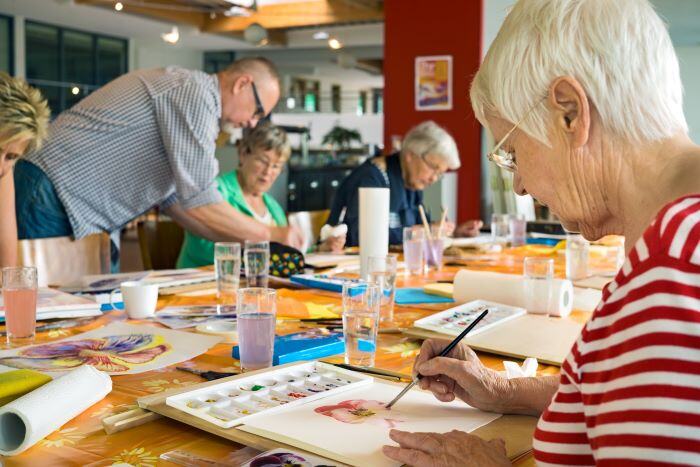
Creative activities such as painting, drawing, or knitting are more than just a way to pass the time. They help keep the mind active and improve motor skills. Art also gives residents a chance to express themselves and feel a sense of accomplishment.
Even simple craft projects can have a big impact. The process of making something by hand not only helps to maintain hand-eye coordination but builds confidence and can be very calming. Activities like this are especially useful because they fall under the bracket of challenging but achievable activities, which foster a sense of true accomplishment. Group art sessions also offer social benefits, giving residents a chance to chat and encourage each other while working on their pieces.
Gardening

Gardening offers both physical and emotional benefits. Whether it’s planting flowers in raised beds or caring for potted herbs indoors, this activity connects residents to nature and provides gentle exercise.
Spending time with plants helps reduce stress and increase focus. Not only is it a great way to incorporate physical activity into their routine, it’s also a great way to bring back positive memories for people who enjoyed gardening earlier in life. Watching something grow over time gives residents a sense of pride and purpose.
Pet therapy

It is commonly thought that animals have a natural ability to comfort people. Pet therapy sessions involve trained animals visiting care homes to spend time with residents. Just stroking a dog or holding a cat can lower stress levels, improve mood, and even reduce blood pressure.
These visits are especially helpful for residents who may feel lonely or disconnected. Some care homes even have full-time resident pets, which provide ongoing companionship. Whether it’s a dog wagging its tail or a cat curled up in a lap, interaction with animals can bring a smile to anyone’s face and has been shown to make a real, measurable difference in the emotional wellbeing of care home residents.
Reminiscence and memory games
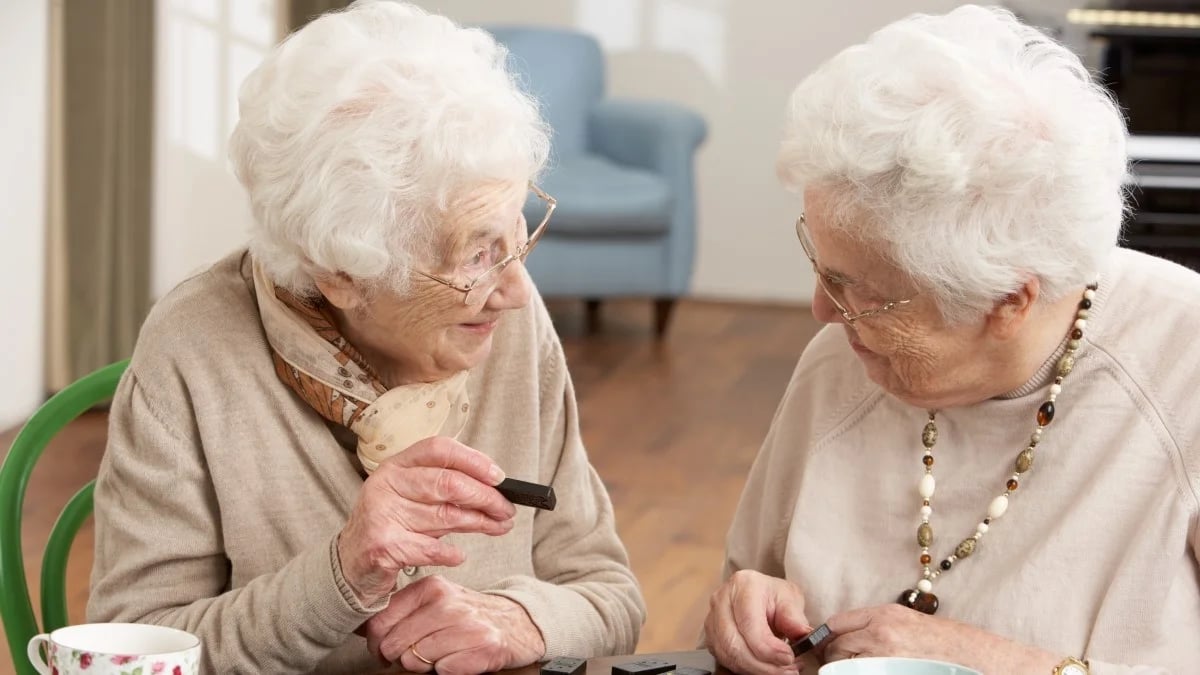
Reminiscing helps people stay connected to their identity. Looking at old photos, listening to music from their youth, or simply talking about past experiences can trigger memories and improve mood.
Memory games, trivia, and storytelling activities also help keep the brain active. For residents with dementia, long-term memory often remains stronger than short-term, making these activities especially valuable. Sharing stories helps build relationships and encourages meaningful conversations.
Baking and cooking
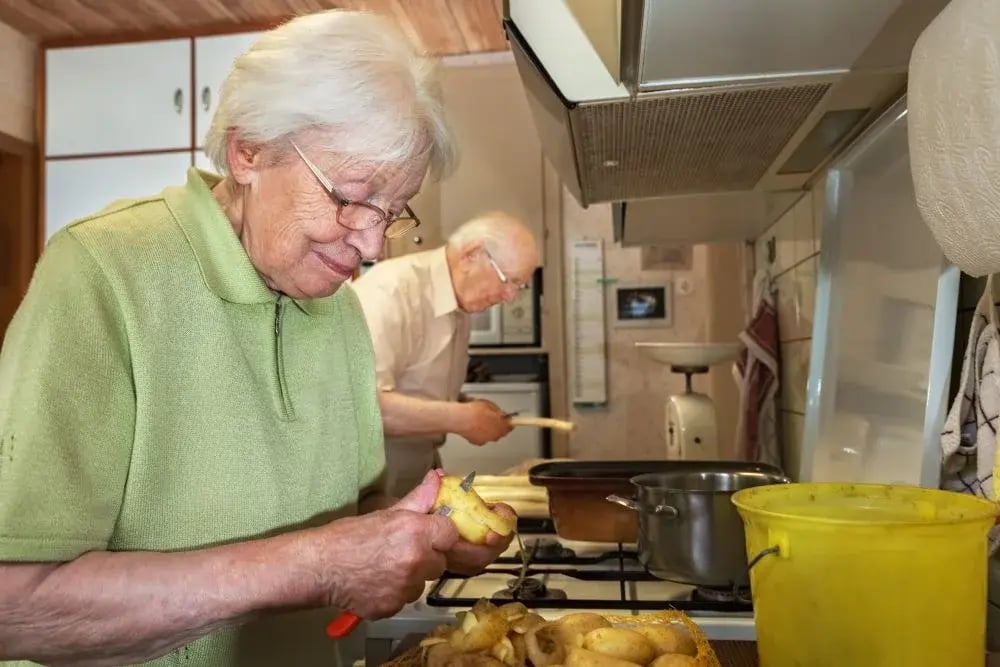
Baking or cooking are both greats way to engage multiple senses at once, and one of the few activities where all senses are simultaneously engaged. The smell of something baking, the feel of mixing ingredients, and the taste of a familiar recipe can all bring back positive memories.
Even simple recipes can involve residents in the process, from stirring batter to decorating biscuits. In fact, you can involve residents in the process as much or as little as you think would benefit them, making the activity truly versatile. Cooking activities promote coordination and focus, while also offering a chance to work together and share the results. It’s rewarding and enjoyable, especially when everyone gets to taste what they’ve made.
Walks and/or wheelchair outings

Getting outside for fresh air can make a big difference in a person’s day. Natural light helps regulate sleep and boosts vitamin D levels, which are important for health and mood.
Short walks or wheelchair outings around the garden or local area help break up the routine and offer new sights and sounds. These moments outdoors can reduce feelings of restlessness or boredom. Being in nature, even briefly, can lift spirits and clear the mind.
Reading and audiobook clubs

Reading keeps the mind sharp and encourages reflection. Group reading sessions or audiobook clubs allow residents to enjoy stories together and talk about what they’ve heard. These discussions help build a sense of community and encourage participation and keeps the mind sharp. Whether it’s re-reading favourite books or diving into something new, both options offer
Audiobooks are also a great option for residents with visual impairments or memory loss. They allow everyone to enjoy stories without needing to read independently. Whether it’s a novel, poem, or short story, shared reading experiences create connection and stimulate thought.
Mindfulness and meditation

Mindfulness practices such as deep breathing or guided meditation can help reduce stress and improve focus. Even a few minutes of calm, quiet reflection can ease anxiety and promote emotional balance.
These sessions are easy to lead and can be adapted for individuals or groups. Mindfulness is especially helpful for residents who may feel overwhelmed or agitated. With regular practice, it can support better sleep, clearer thinking, and a greater sense of peace.
Investing in digital solutions like the Oomph! Wellness and Activities Platform
.webp?width=722&height=481&name=Oomph%20mock%20up%20(10).webp)
Activities in a care home aren’t just about keeping residents busy or distracted — they’re about helping residents feel alive, engaged, and part of a community. Each of these activities offers something different, whether it’s physical movement, creative expression, emotional comfort, or mental stimulation. But to go the extra step and ensure you have a never-ending archive of activities of many different varieties, where activities that promote all of the things listed above can be found in one place, you should consider investing in your resident’s long-term wellbeing with the Oomph! Wellness and Activities Platform
The key is to offer a variety of options and tailor them to each person’s interests and abilities, and that is exactly what the Wellness and Activities Platform does. When care homes take the time to understand what brings their residents joy, the results are far more powerful than what could be achieved at one time. Now, thanks to the Wellness and Activities Platform, you can tailor a resident’s activities to their own likes and preferences, and even then, you won’t be short of options.
Just click here to find out more about the Wellness and Activities Platform.






.webp?width=80&height=80&name=HTD%20Awards%202023%20Badge%20(4).webp)