


07.28.2026 Suzanne Worthington

First published 7 February 2023 | Juanita Woodward
Updated 13 July 2026 | Suzanne Worthington
In this post, we explore at record-keeping in health and social care and explain why it's vital to help improve standards and continuity of care.
In this post
What is record-keeping?
Why is record-keeping so important in social care?
What information do carers need access to?
xxx
xxx
What is record-keeping?
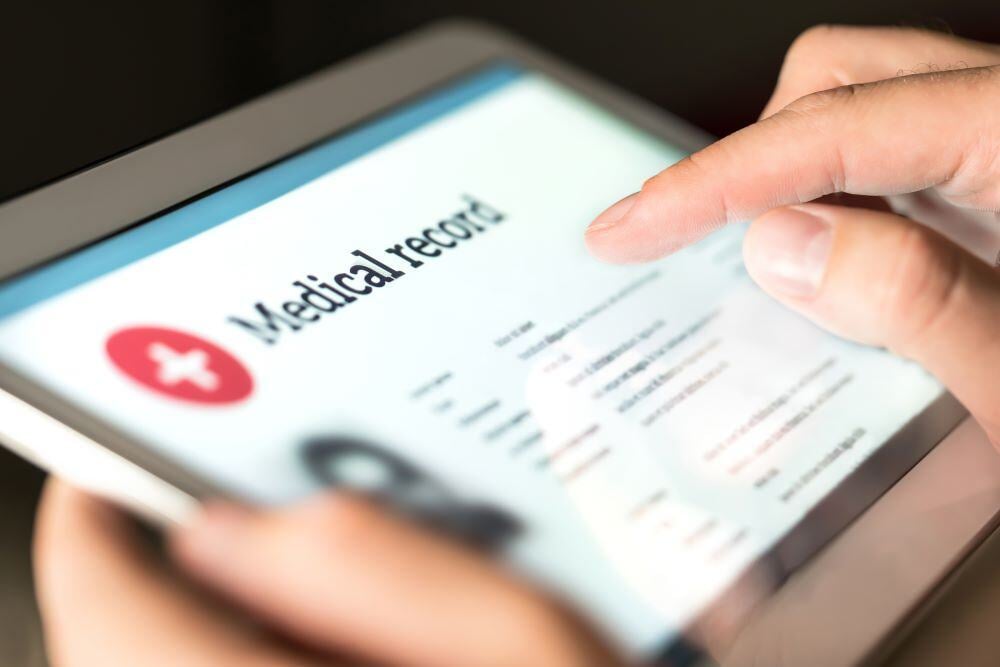
Record-keeping in social care is the process of accurately documenting information about a resident's care, health, wellbeing and support needs.
This includes maintaining up-to-date records such as care plans, medication administration records, risk assessments, daily care notes, incident reports and records of communication with family members and healthcare professionals.
Today, many care providers use digital social care records to make record-keeping more efficient and reliable. With a digital system, information can be stored securely, updated in real time and easily accessible to authorised team members. Care teams often find that when they implement a reliable digital system, they dramatically reduce the risk of errors and missing information.
.jpg?width=900&height=602&name=shutterstock_2254674059%20(1).jpg)
Why is record-keeping so important in social care?
Accurate record-keeping is at the heart of safe, effective, person-centred care. Whether you're recording daily care notes, updating care plans or documenting changes in a resident's condition, the information your care team records helps make sure residents receive the right support at the right time. Good record-keeping also improves communication, supports compliance and enables your team to deliver the highest standard of care:
Deliver safe, high-quality care ⭐
Accurate records give your care team a complete picture of each resident's needs, medical history, treatment plans and preferences. This helps carers provide consistent, personalised support while reducing the risk of errors and omissions.
Support informed decision-making 💡
When information is recorded clearly and kept up to date, your care team can make informed decisions based on a resident's current needs and circumstances. This allows care to be adapted quickly when changes occur.
Monitor changes and track progress over time 📈
Comprehensive records make it easier to identify changes in a resident's health, wellbeing or behaviour. Tracking progress over time helps your team spot trends, respond proactively to concerns and evaluate whether care interventions are working effectively.
Provide person-centred care 👤
Every resident has unique needs, preferences and goals. Accurate record-keeping helps your care team understand and respond to those individual requirements, ensuring care remains tailored to the person, rather than a one-size-fits-all approach.
Maintain continuity of care🔗
Residents are often supported by multiple carers across different shifts and services. Detailed records help make sure everyone involved in a resident's care has access to the same information, helping to provide a seamless and consistent care experience.
Improve communication and collaboration
Well-maintained records make it easier for your care team to share information with colleagues, healthcare professionals and other stakeholders. When everyone is working from the same information, communication is more effective and staff understand the care goals they're supporting.
Meet regulatory requirements 🛡️
To demonstrate compliance with regulatory standards, keeping accurate, organised records is essential. Robust documentation helps your service evidence the quality of care you deliver and supports successful inspections.
Achieve better outcomes for residents 💛
Ultimately, good record-keeping supports safer care, better decision-making and more effective care planning. By giving your care team the information they need to act confidently and consistently, accurate records can help improve health and wellbeing outcomes for residents.

What information do carers need access to?
Carers need access to accurate, up-to-date records that enable them to deliver safe, effective and person-centred care. With the right information readily available, you care team will be able to understand each resident's needs, preferences and care requirements, so they can provide appropriate support and respond quickly when things change.
Records should include:
Medical history and current health information
Carers should be able to access key details about a resident's medical history, diagnoses, medications, allergies and current health status. This information helps ensure care is delivered safely and consistently.
Care plans and support requirements
Every resident's care plan should clearly outline their assessed needs, care goals and the actions required to support their health and wellbeing. This gives your care team clear guidance on how to deliver care.
Personal preferences and lifestyle choices
Good care goes beyond meeting clinical needs. Records should capture the resident's preferences, routines, interests, cultural requirements and other information that helps carers provide truly person-centred support.
Changes in condition and daily care records
Up-to-date notes on a resident's wellbeing, observations and any changes in their condition help carers monitor progress over time and makes sure important information is shared across the team.
Future care wishes and important decisions
Where appropriate, records should include information about a resident's preferences for future care and any decisions they have made regarding their ongoing support. This helps ensure their wishes are understood and respected.
Information needed to coordinate care
Records should be accessible to authorised members of the care team and other relevant professionals involved in a resident's treatment, care or support. A shared source of information improves communication, promotes continuity of care and helps everyone work towards the same outcomes.
When carers have access to comprehensive, accurate and up-to-date records, they are better equipped to provide coordinated care that supports residents' safety, wellbeing and quality of life.
Improving standards with Person Centred Software's digital social care record system, mCare
By utilising comprehensive data analytics within our digital social care record system, care providers can compare various datasets to identify trends and areas for improvement.
This enables them to continuously refine and enhance the quality of care they provide residents. This systematic approach not only facilitates tracking resident outcomes and service quality but also allows carers to analyse patterns and trends over time.
With these insights, providers can implement targeted changes that enhance the overall quality of care, ensuring that the needs of residents are met more effectively and efficiently - and that's not all!
With Person Centred Software's digital social care record system, care providers can also:
- Record care in real-time: Care providers can record detailed information about the care being provided to each individual in real-time. This allows for immediate updates and ensures that all care team members have access to the most current information.
- Share information safely and efficiently: The system facilitates quick, accurate, and secure sharing of vital information among health and care teams, which is essential for effective communication. This minimises the risk of errors and ensures that everyone involved in a resident's care is well-informed.
- Be aware of changing needs: mCare helps carers to be aware of any changes in a person's needs. This proactive approach allows for timely adjustments to care plans, leading to better resident outcomes.
- Get instant access to resident information: Care providers can obtain immediate access to a resident's personal information and preferences. This enables them to deliver truly responsive and person-centred care tailored to the individual's unique needs and wishes.
- Engage relatives in their loved one's care: The system keeps residents' relatives informed and engaged in the care process. By providing them with updates and ways to connect, family members can remain actively involved in the care and support of their loved ones, fostering a sense of community and support.
- Communicate with external professionals easily: Through the eRedBag feature (electronic hospital pack), care providers can instantly share important information with hospitals and external professionals. This seamless communication ensures that individuals receive the highest quality of care throughout every stage of their health and social care journey, improving coordination and outcomes.
A CQC compliance consultant says...
-Mar-11-2025-10-25-21-0177-AM.png?width=192&height=192&name=image%20(1)-Mar-11-2025-10-25-21-0177-AM.png) CQC Compliance Consultant Georgina Turner is a specialist in adult social care services. We asked her to shares her insights on the importance of using a digital social care record system like mCare:
CQC Compliance Consultant Georgina Turner is a specialist in adult social care services. We asked her to shares her insights on the importance of using a digital social care record system like mCare:
'While conducting extensive mock inspections and care plan audits in a variety of provider services across the UK, I had the opportunity to use and observe closely several digital social care record systems on the NHS Assured Solutions List.
'While the systems met the DSCR Standards and offered the functions that care providers and residents need for managing care records, one noteworthy and easy-to-use system was mCare by PCS.
'mCare is currently used by more than 6,000 care homes in the UK. It streamlines the management of care records, enhances efficiency and ensures a better service for residents.
'Impressively, of the care homes using mCare, 95% have received ratings of Good or Outstanding from regulatory authorities. This highlights the positive impact of the software on the quality of care provided.'
Overall, the use of our digital social care record system, mCare, greatly improves the efficiency of record-keeping for carers, along with a whole heap of other benefits.
If you want to learn more about how mCare streamlines record-keeping, click here to delve into how our icon-driven care notes:
- Reduce the risk of errors
- Improve accuracy
- Increase the number of care notes recorded
- Contribute to delivering person-centred care, ensuring that each individual's needs and preferences are at the forefront of your service.
The ultimate guide to switching digital social care record systems
To read a full list of the benefits of using mCare, download our ultimate guide to switching digital social care record systems!
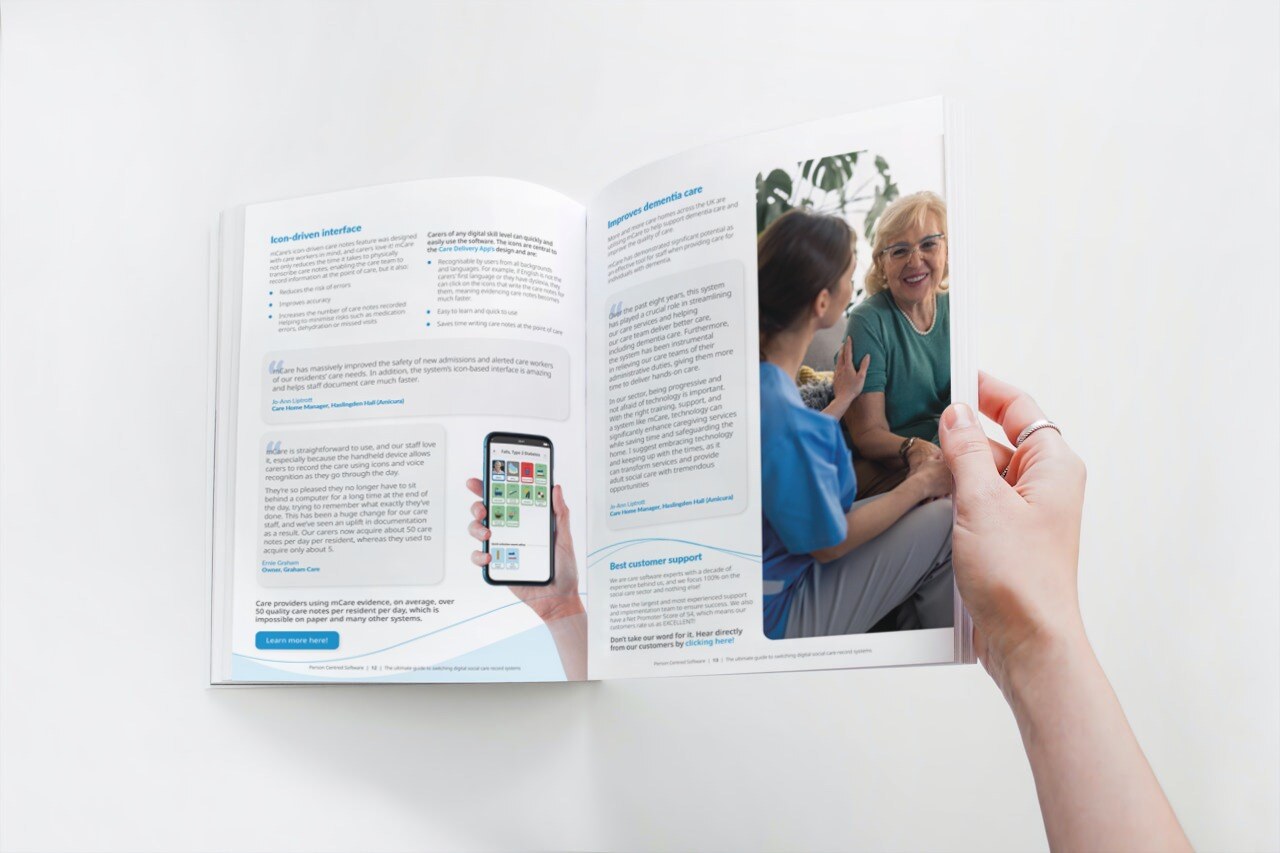
You can also discover how our person-centred approach can transform your care services, boost team performance, and ultimately create a positive environment for both staff and residents here.
Let us help you achieve excellence in care




.jpg)

.webp?width=80&height=80&name=HTD%20Awards%202023%20Badge%20(4).webp)